About me
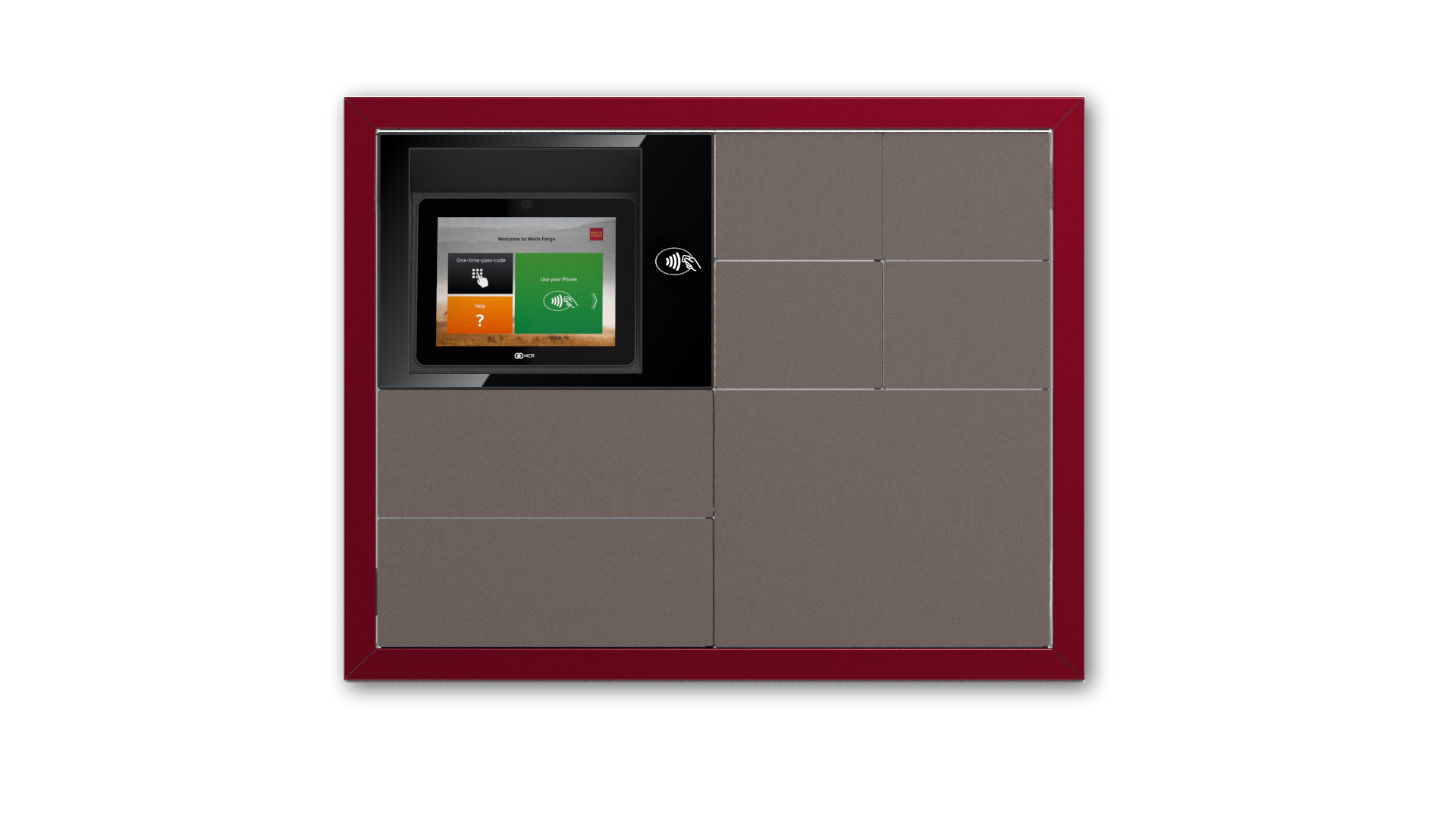
Smart locker

Smart Locker
My Role
Company
Team
Status
When
Industrial & UI/ UX Design
NCR
Live Proof of Concept
2019
Problem Scenarios
Morning:
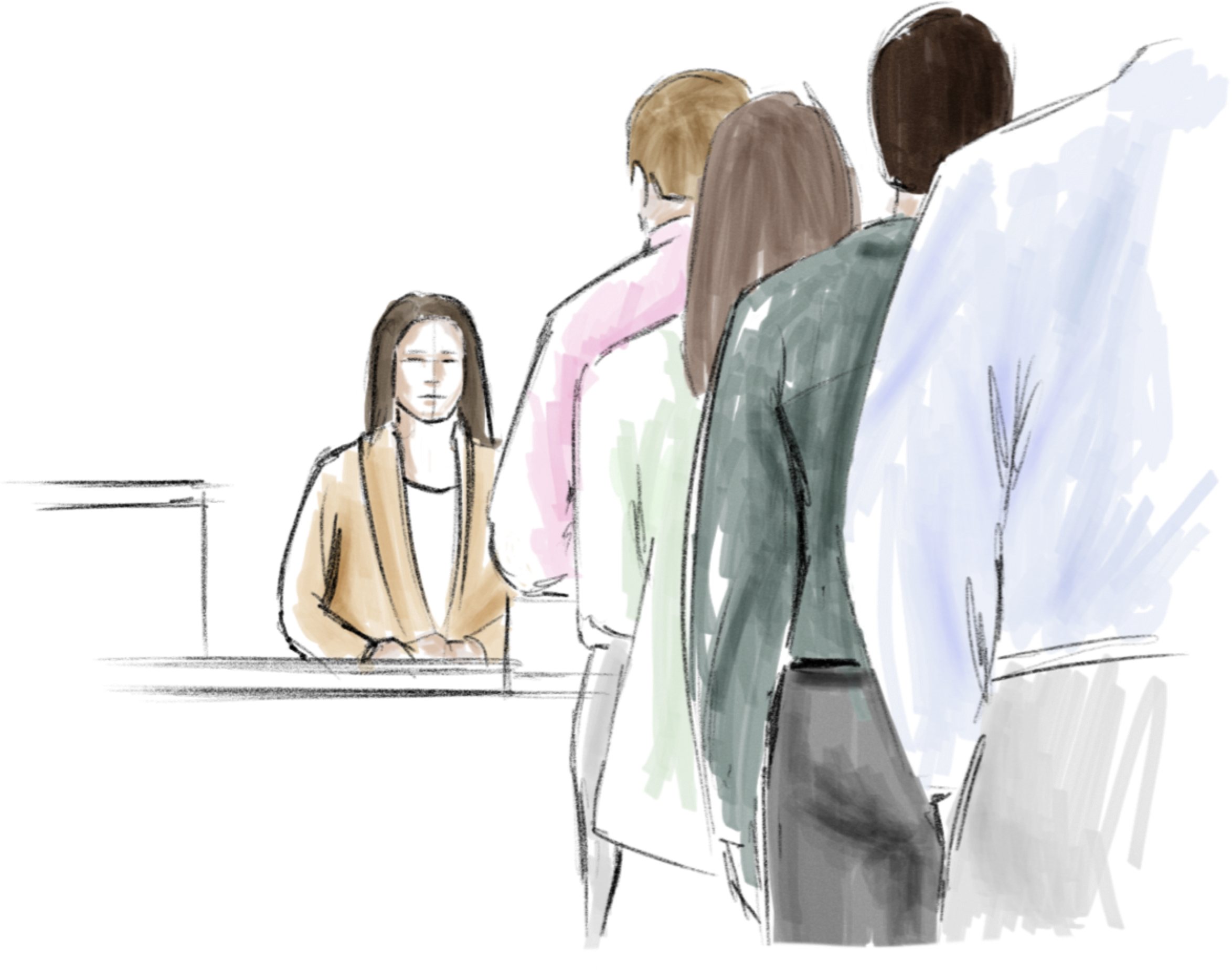
Small and medium merchant customers are ordering and picking up change for their store(s).
Evening:
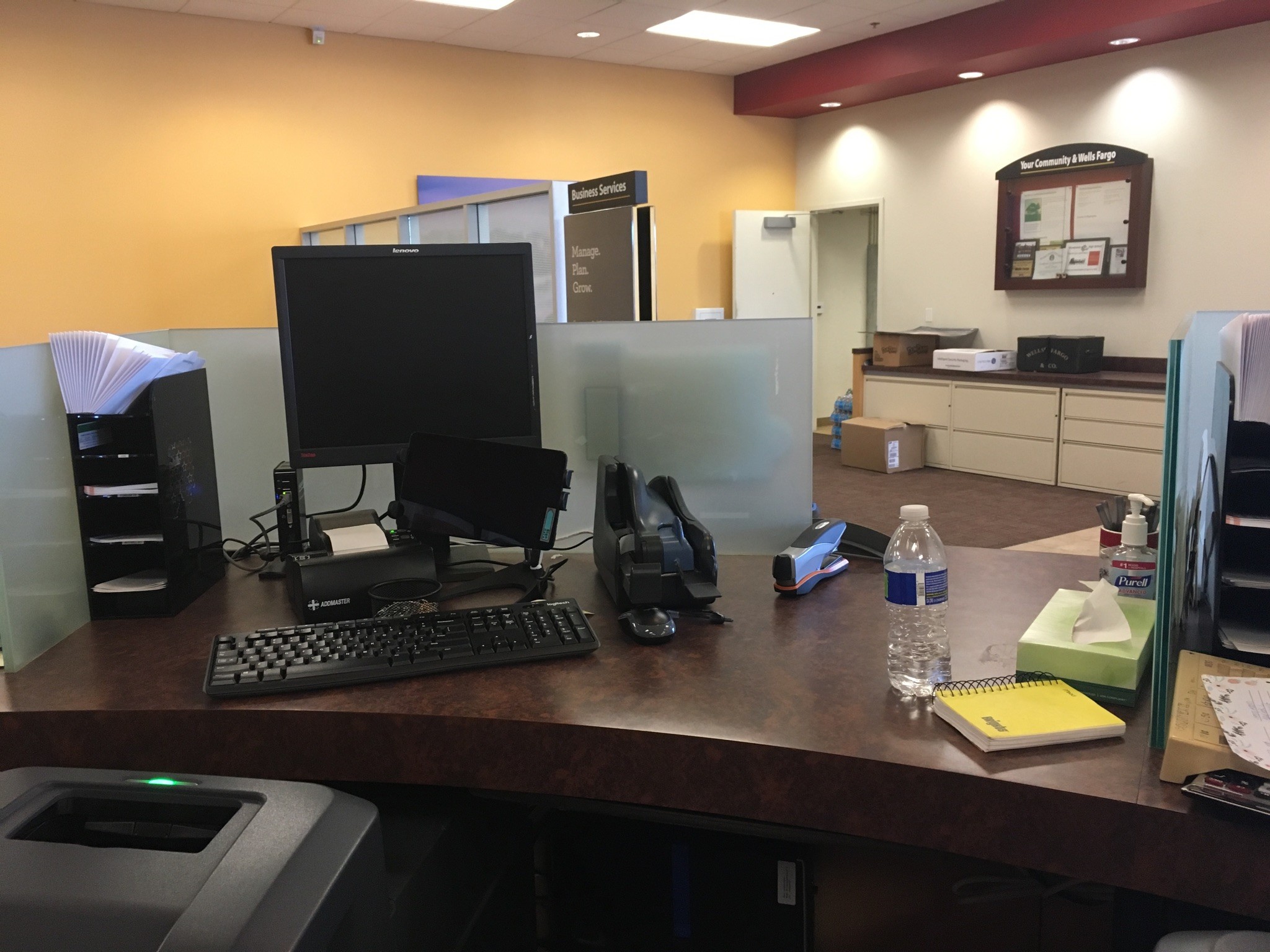
At the end of the day they deposit earnings back to their accounts which can take a long time.
Effect:
Long lines at the teller line.
Research
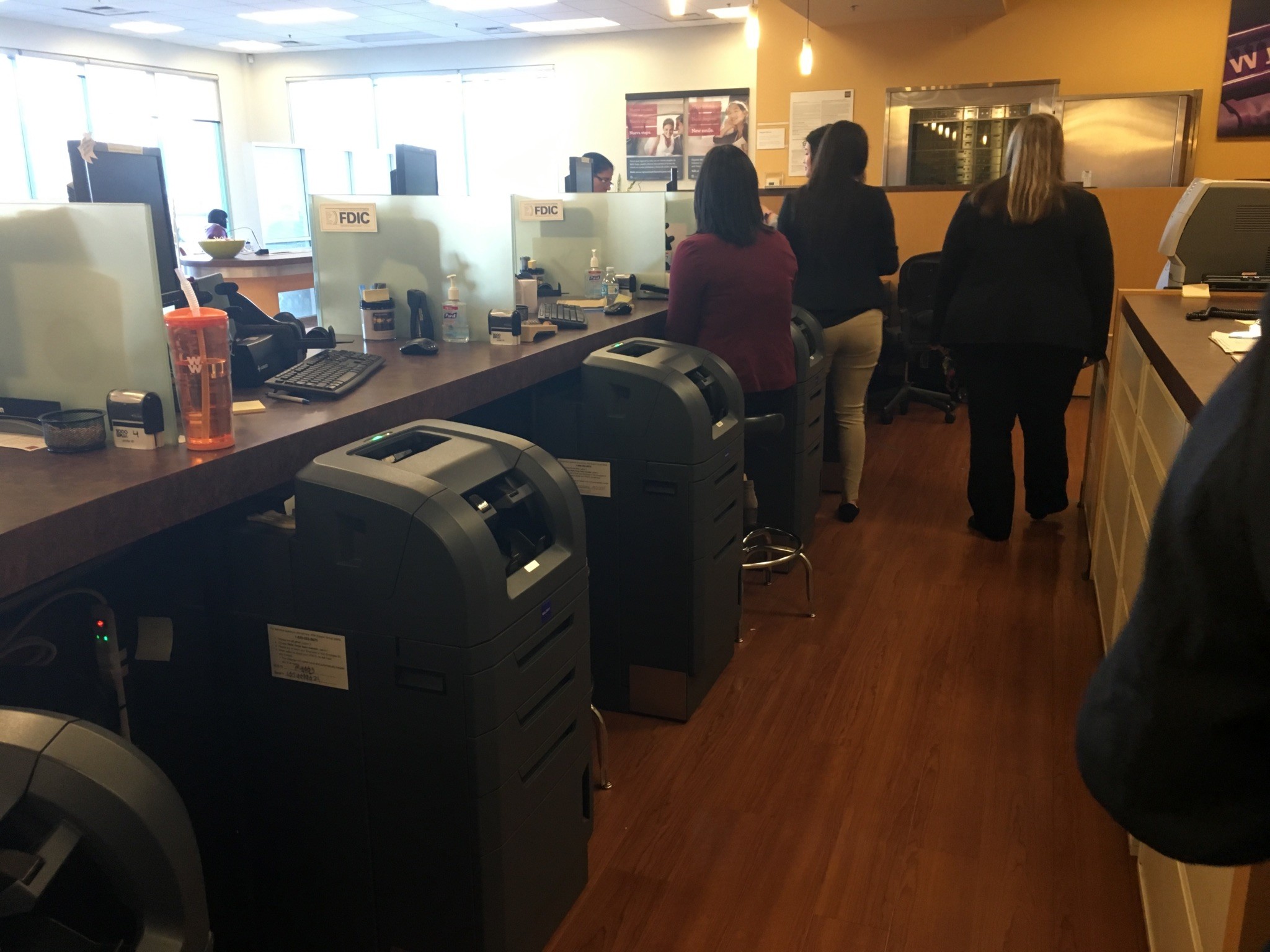
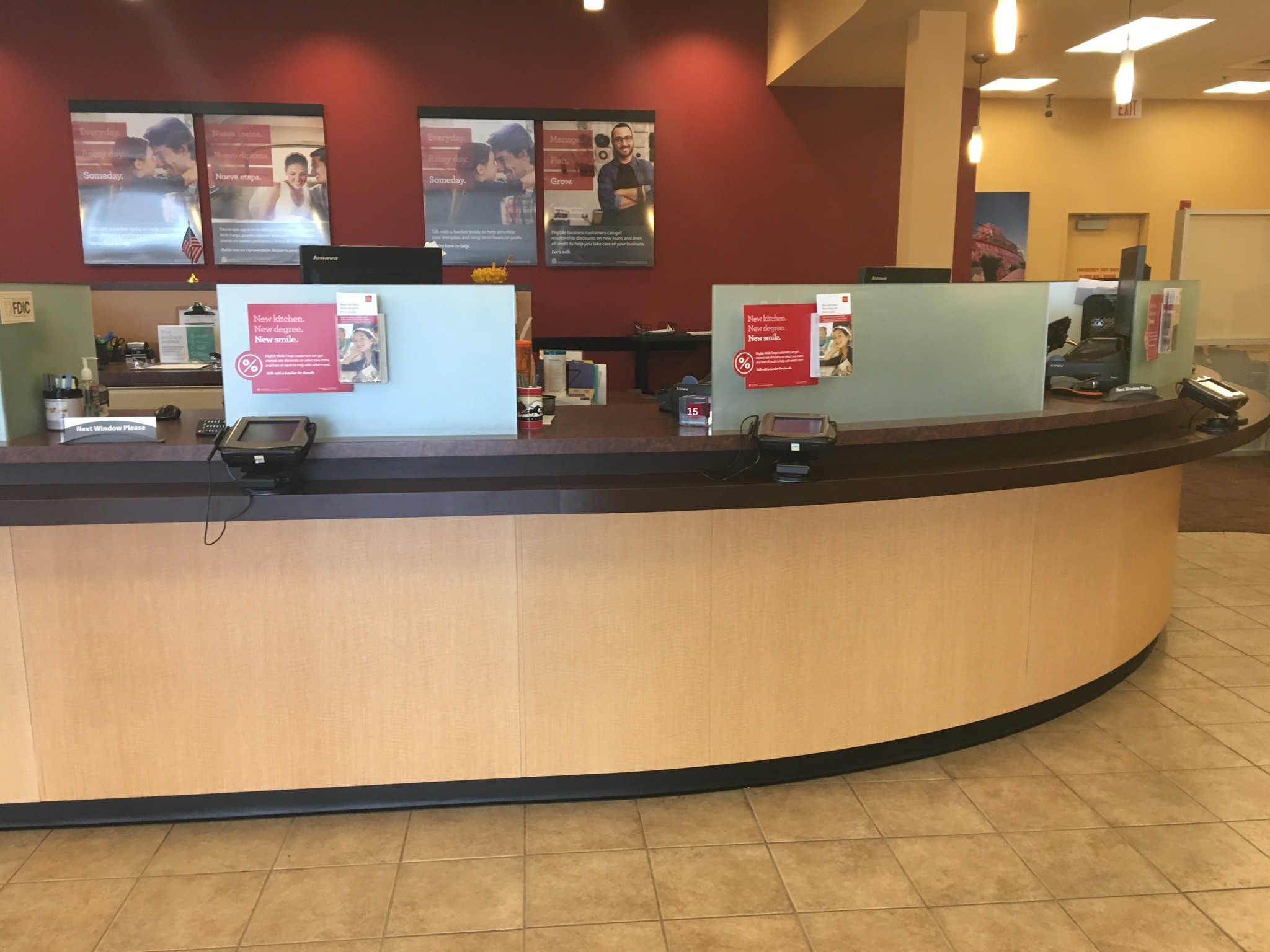
We visited branches to observe how tellers, bankers and customers work and behave during a transaction and branch visit to identify improvement opportunities. One amongst many was the length of time it took tellers to complete just one merchant change order. This was the motivation behind this project.
Motivations
“I cannot wait this long.”
“I spend too long for merchants customers during peak times.”
“Tellers can’t carry cash on the branch floor during business hours.”
“I want to service multiple customers while I’m at it.”
“I want to be able to track my runners.”
“I need a better way to view all of the pre-staged transactions.”
“I don’t have a mobile device to give to my runner.”
“I don’t want to share my account information with my runner.”
The concept
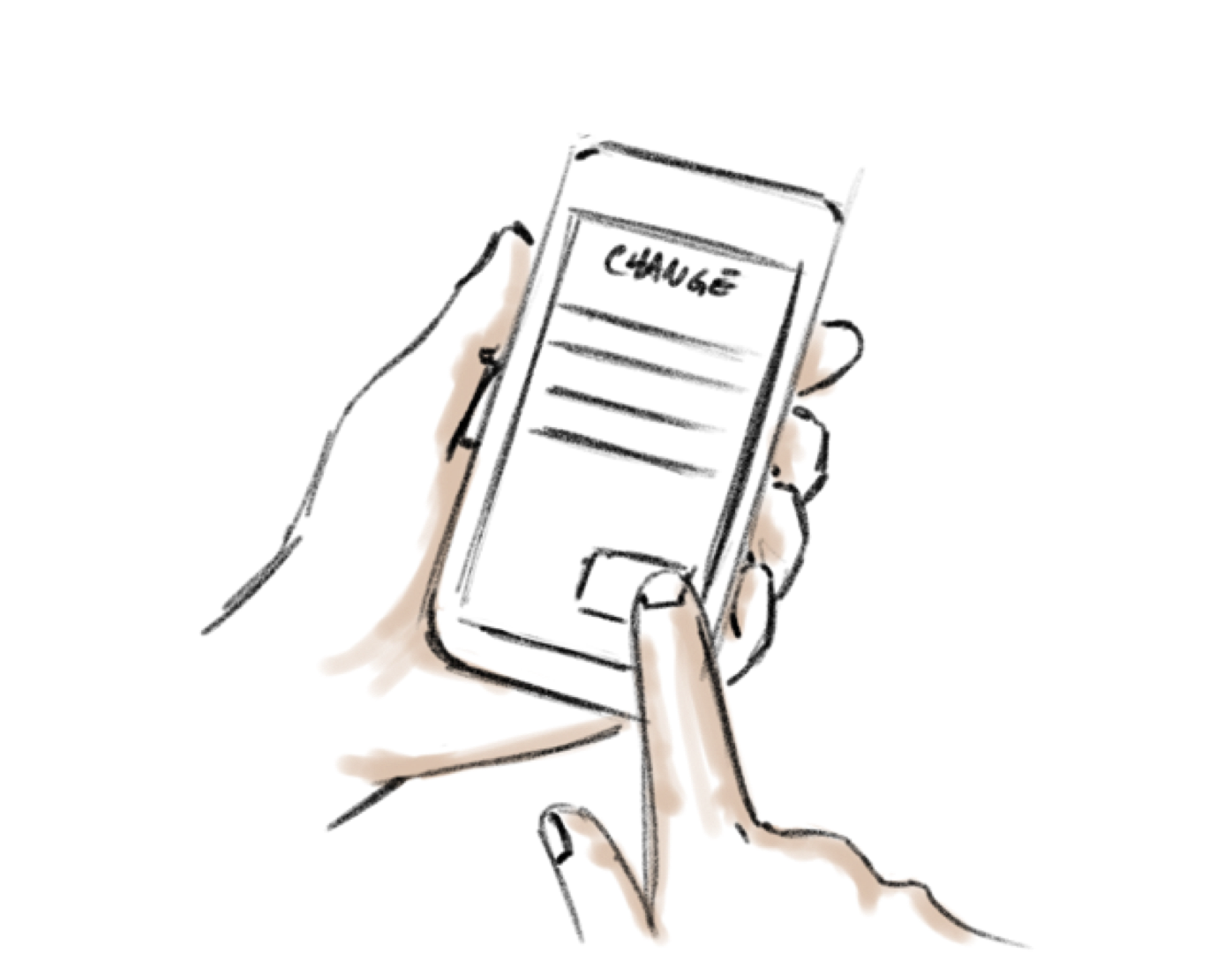
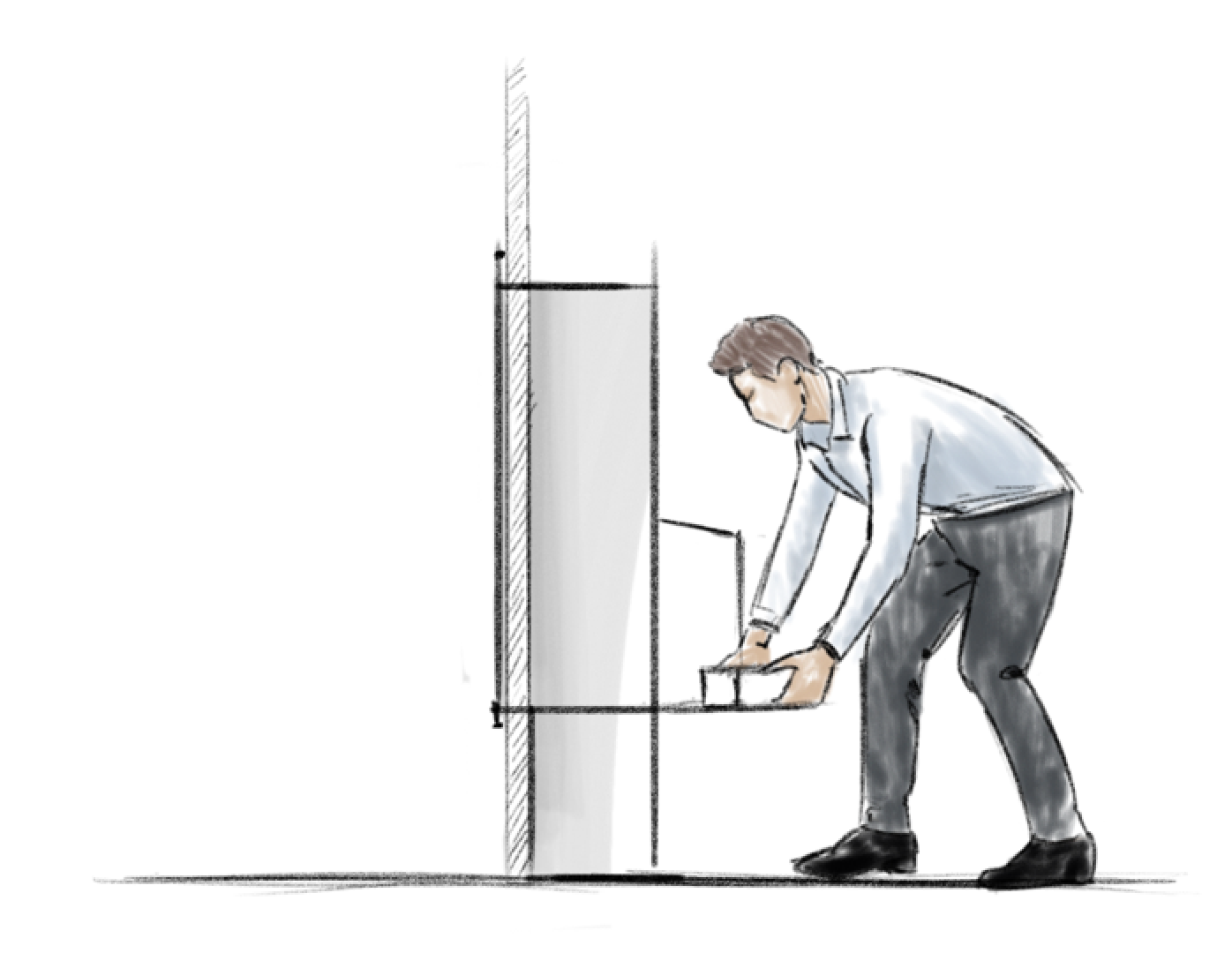
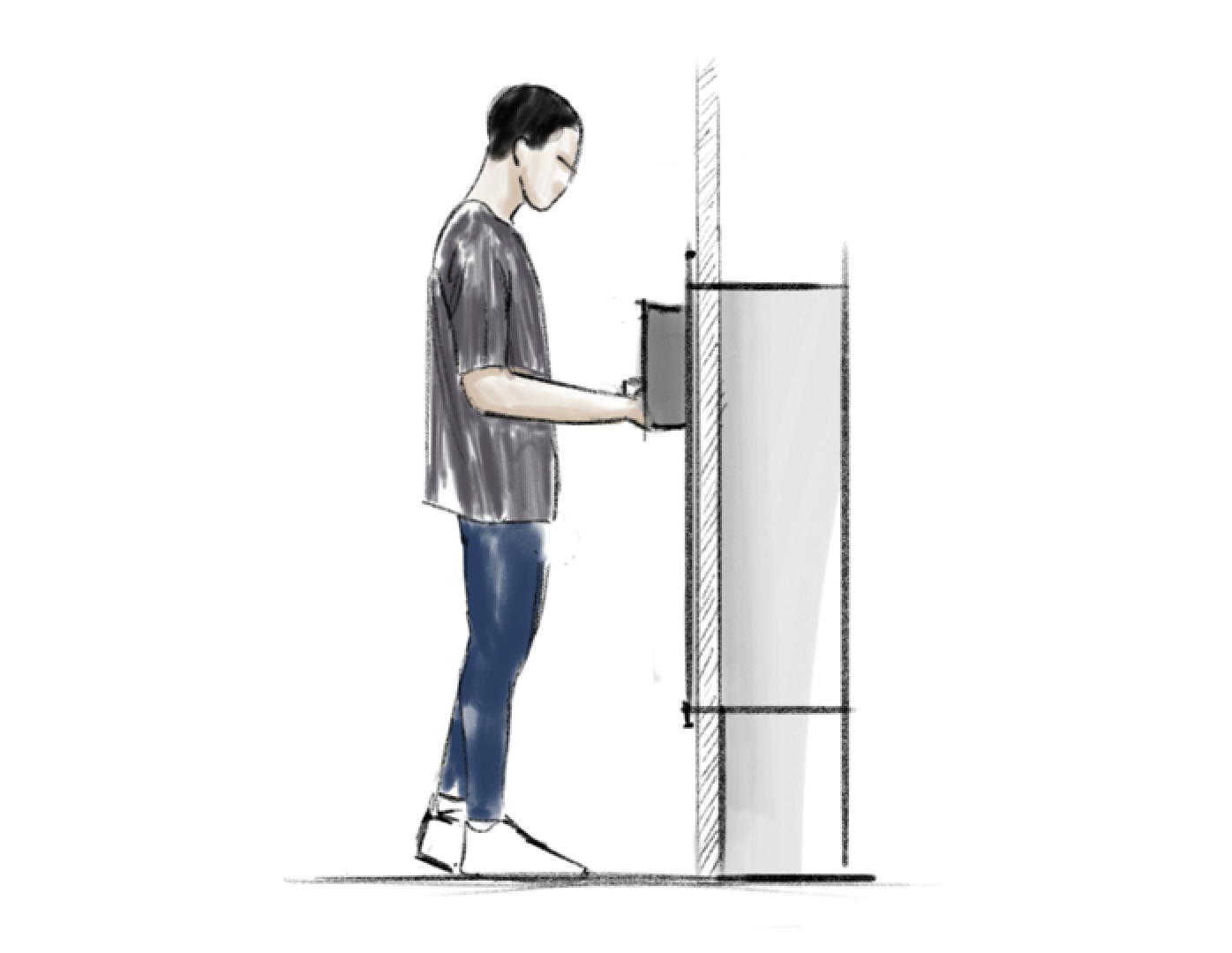
It is important that merchants have the ability to “pre-stage” transactions. Meaning that they can order and schedule a change order ahead of time to “skip” the line and simply collect their order when it suits them.
Merchant orders change
Teller fulfills order
Merchant picks up order
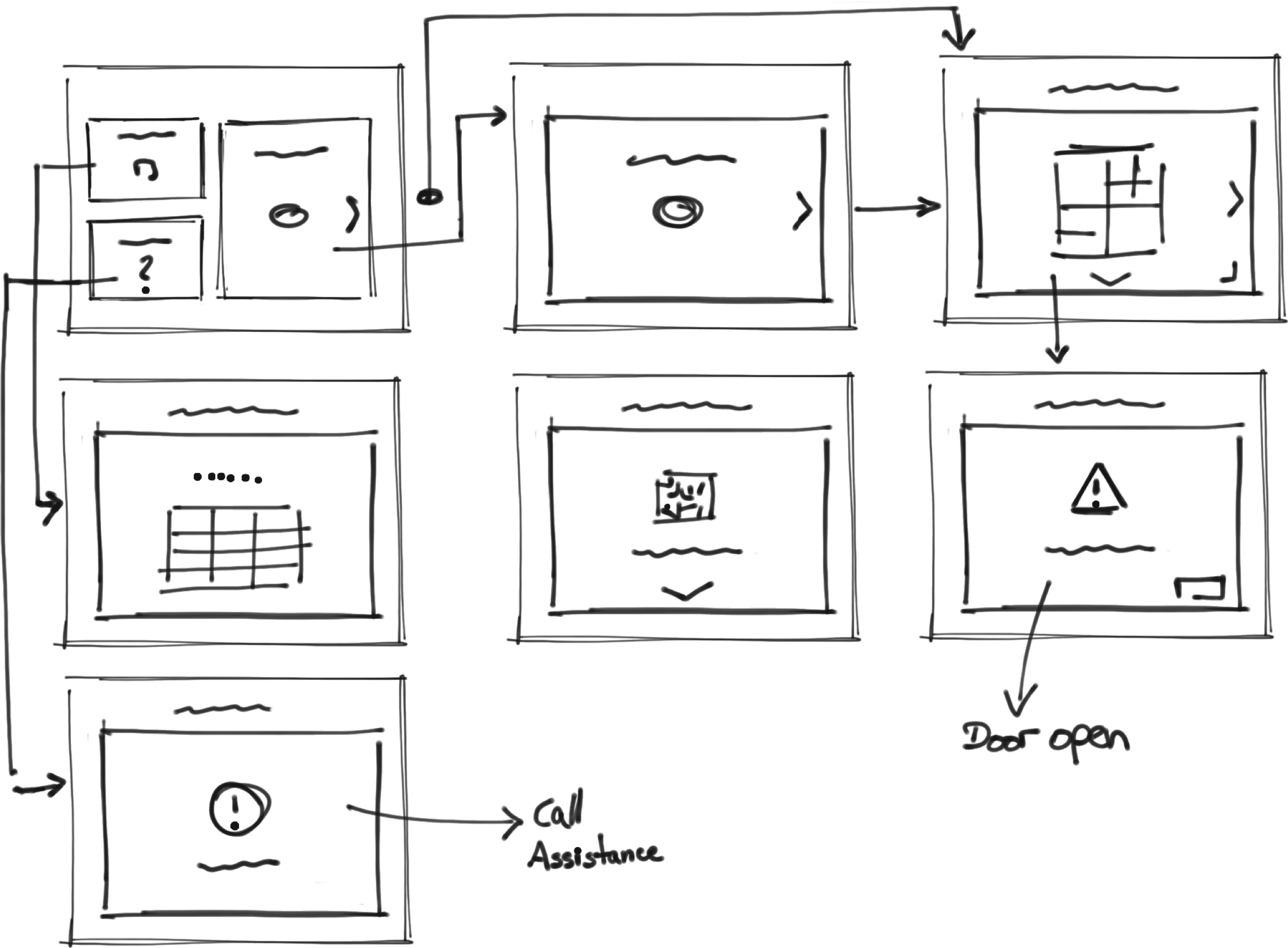
Quick Flow Sketch
After defining basic functions I sketched out ideas for the flow.
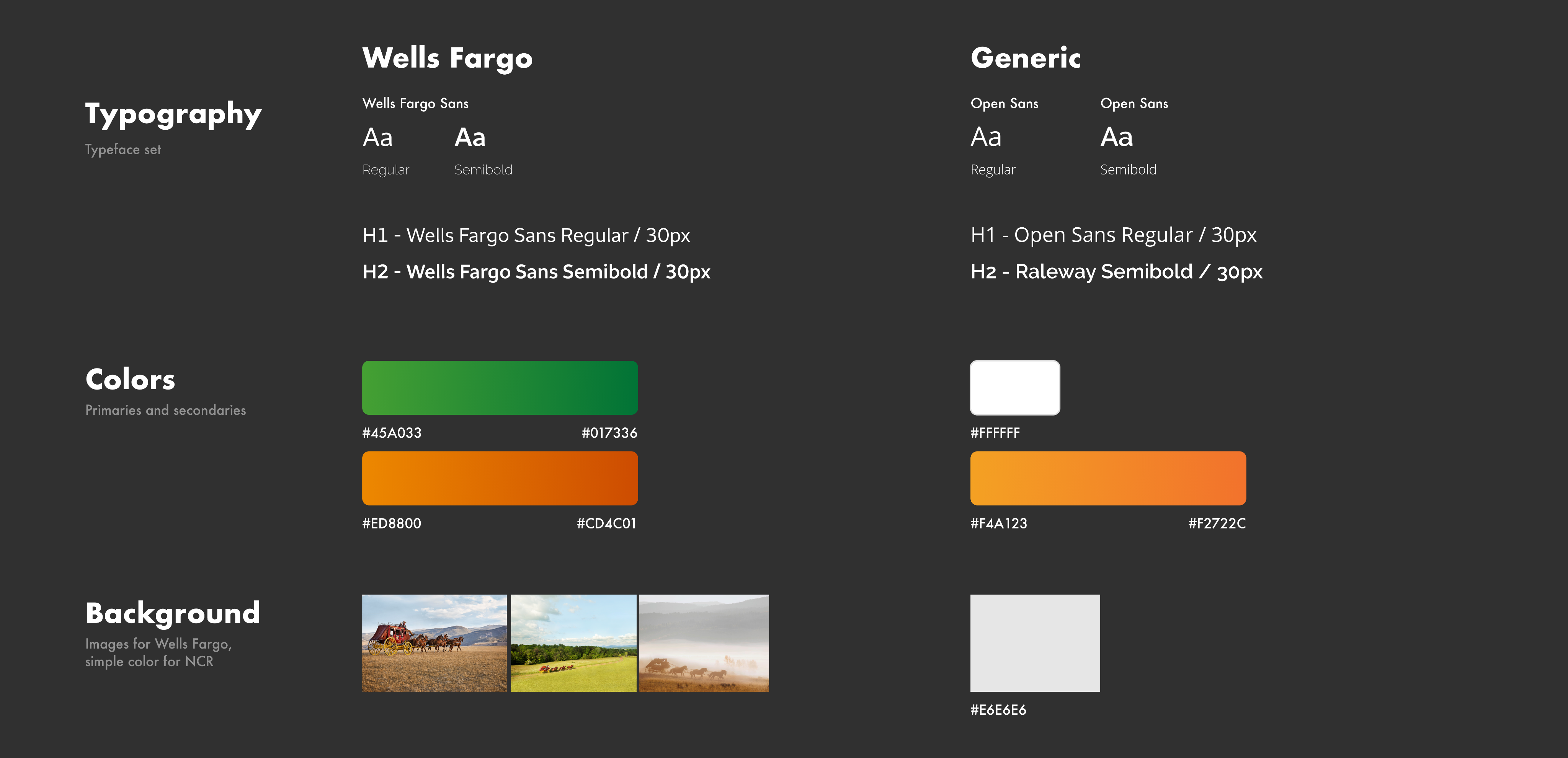
UI Library
Wells Fargo’s design guidelines have been applied in a way that it could be re-used as a generic UI for other demo purposes.
UX
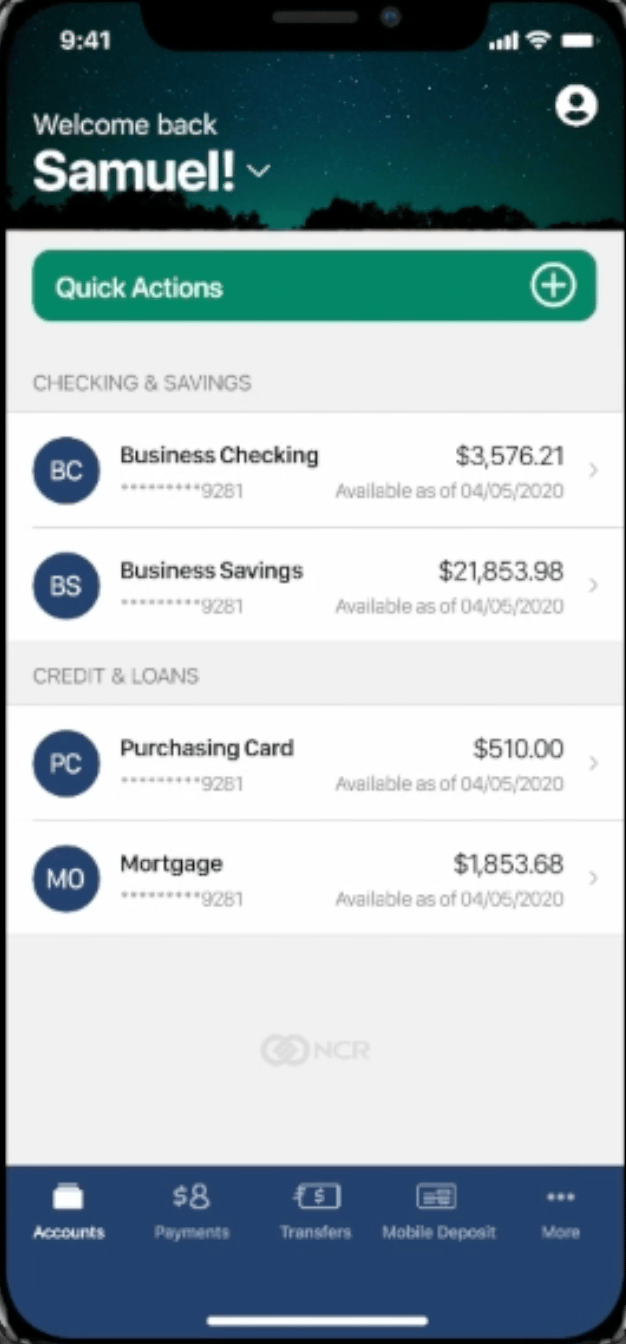
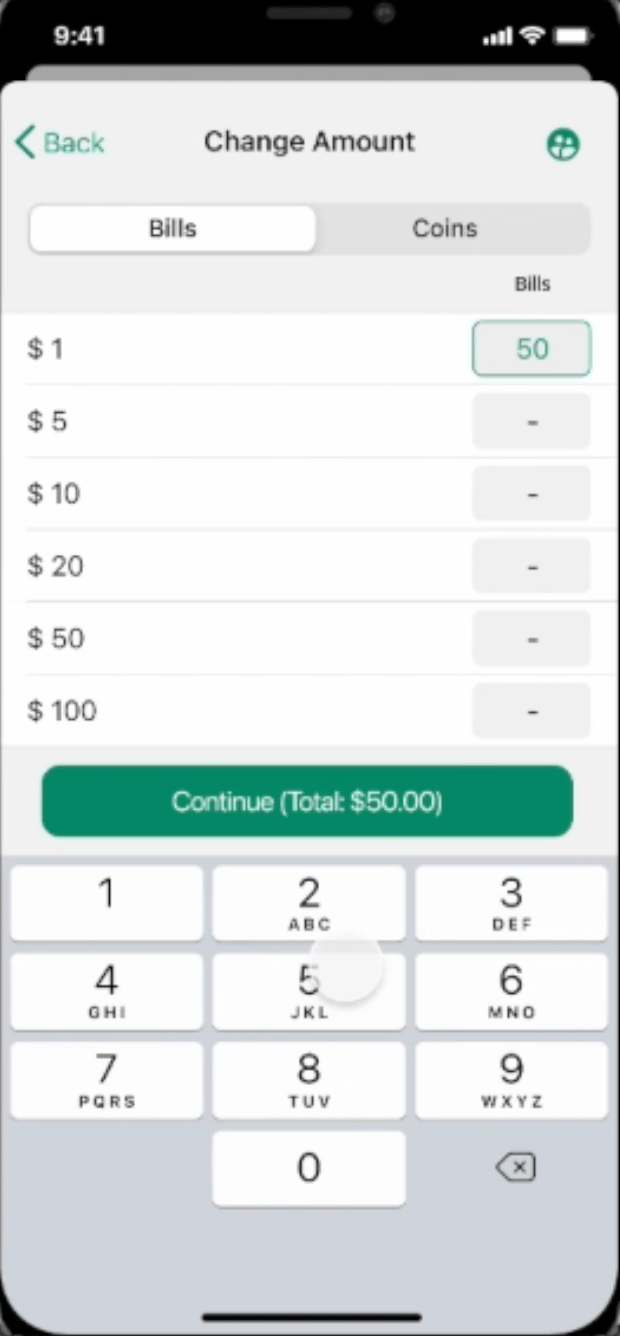
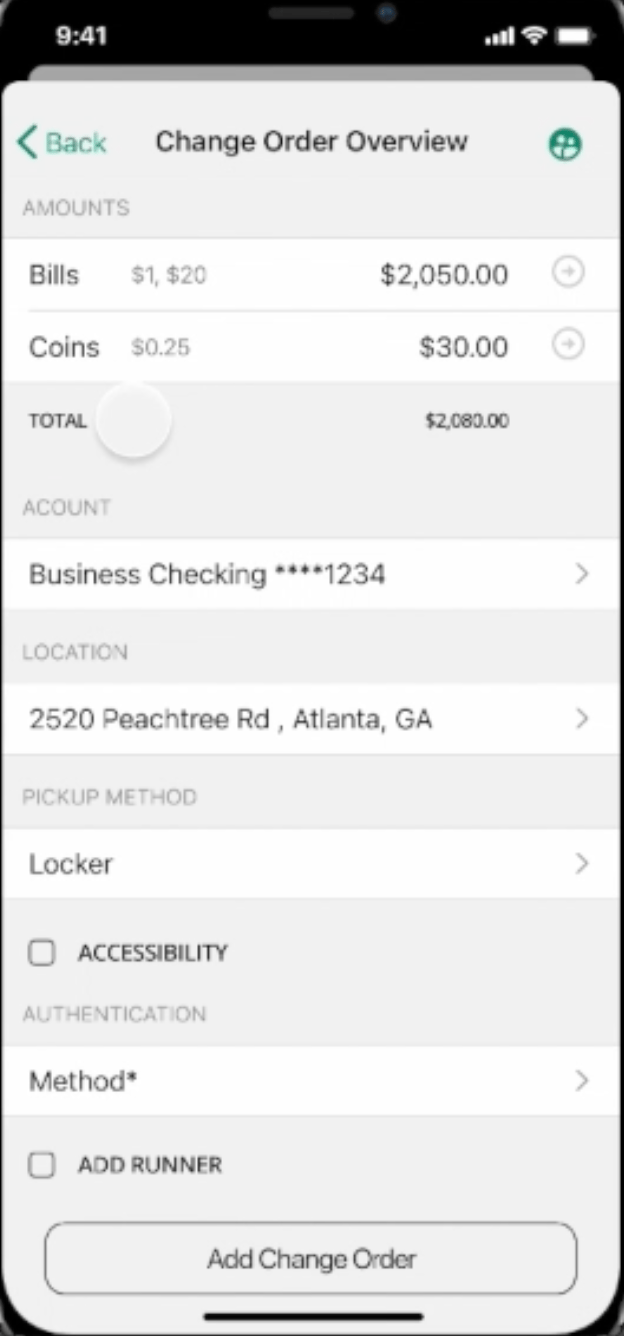
Consumer app
The consumer is able to pre-stage a transaction on their mobile phone, designate a runner who picks up or drops of the order and use their device to authenticate at the locker.
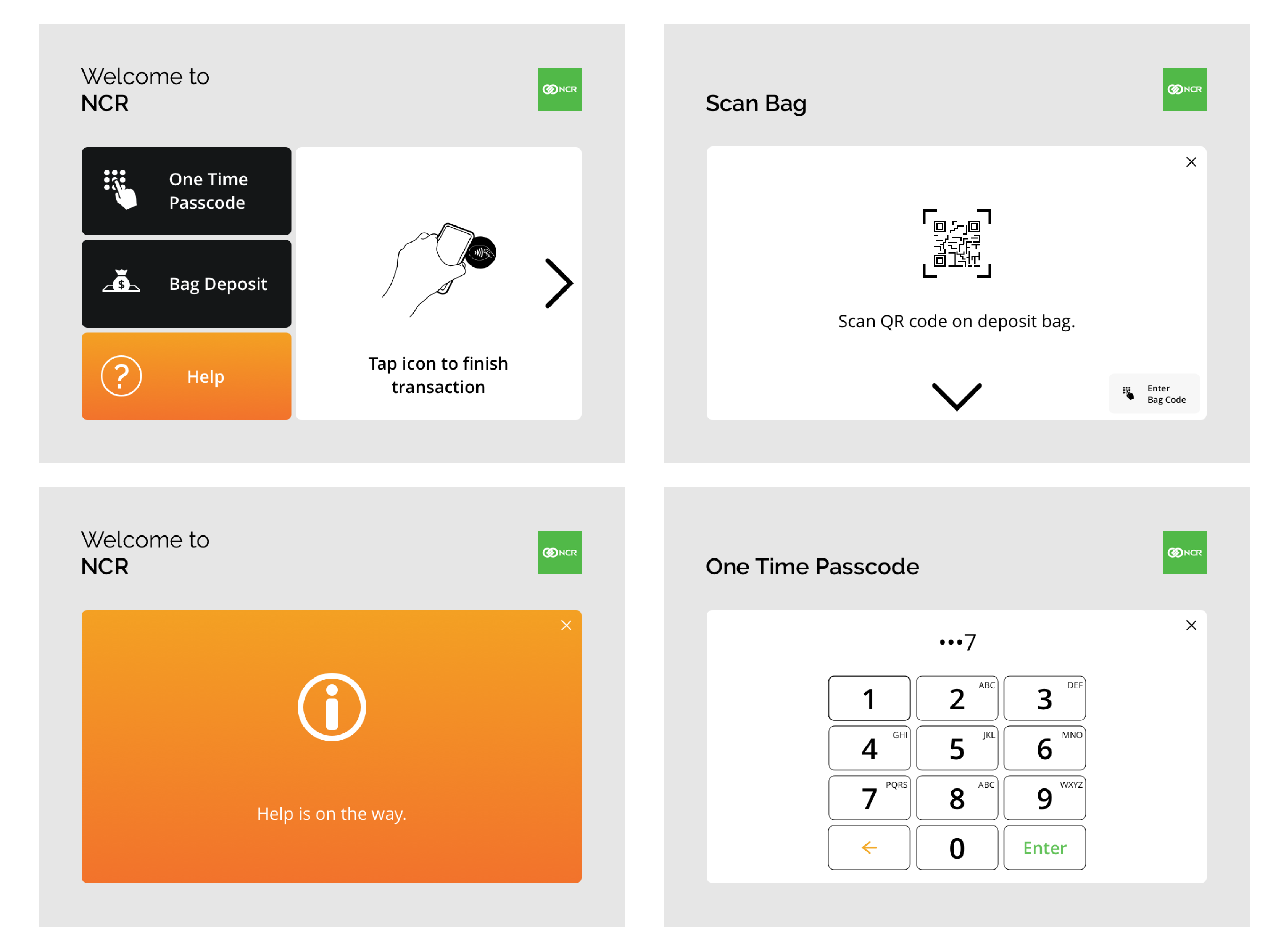
Consumer UI - Locker
The on-device UI is kept to a minimum with the expectation and push for the customer to use their own mobile device for the rest of the transaction.
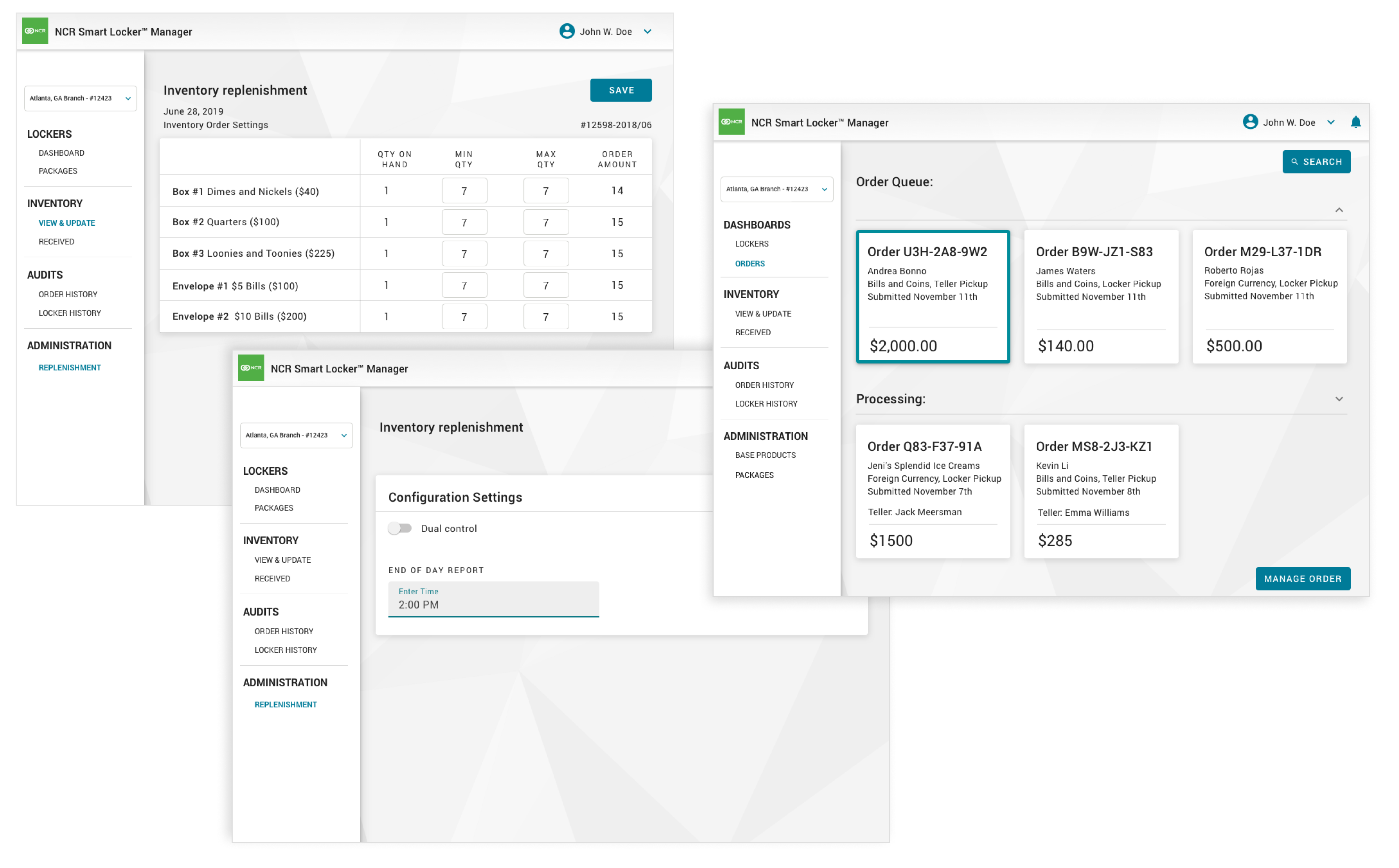
Staff UI - Locker
This mainly runs on desktop or table computers
Experience the flow
This video is walking through the end-to-end journey for the customer and banker.
Hardware
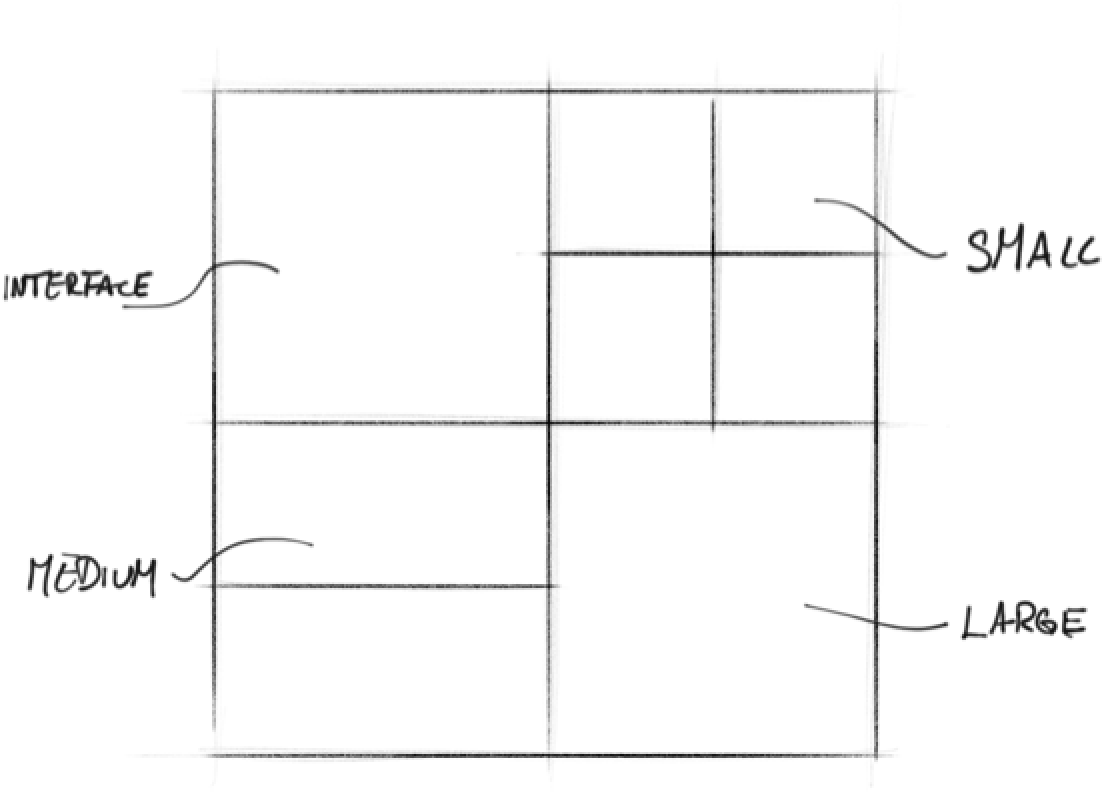
Hardware Ideation
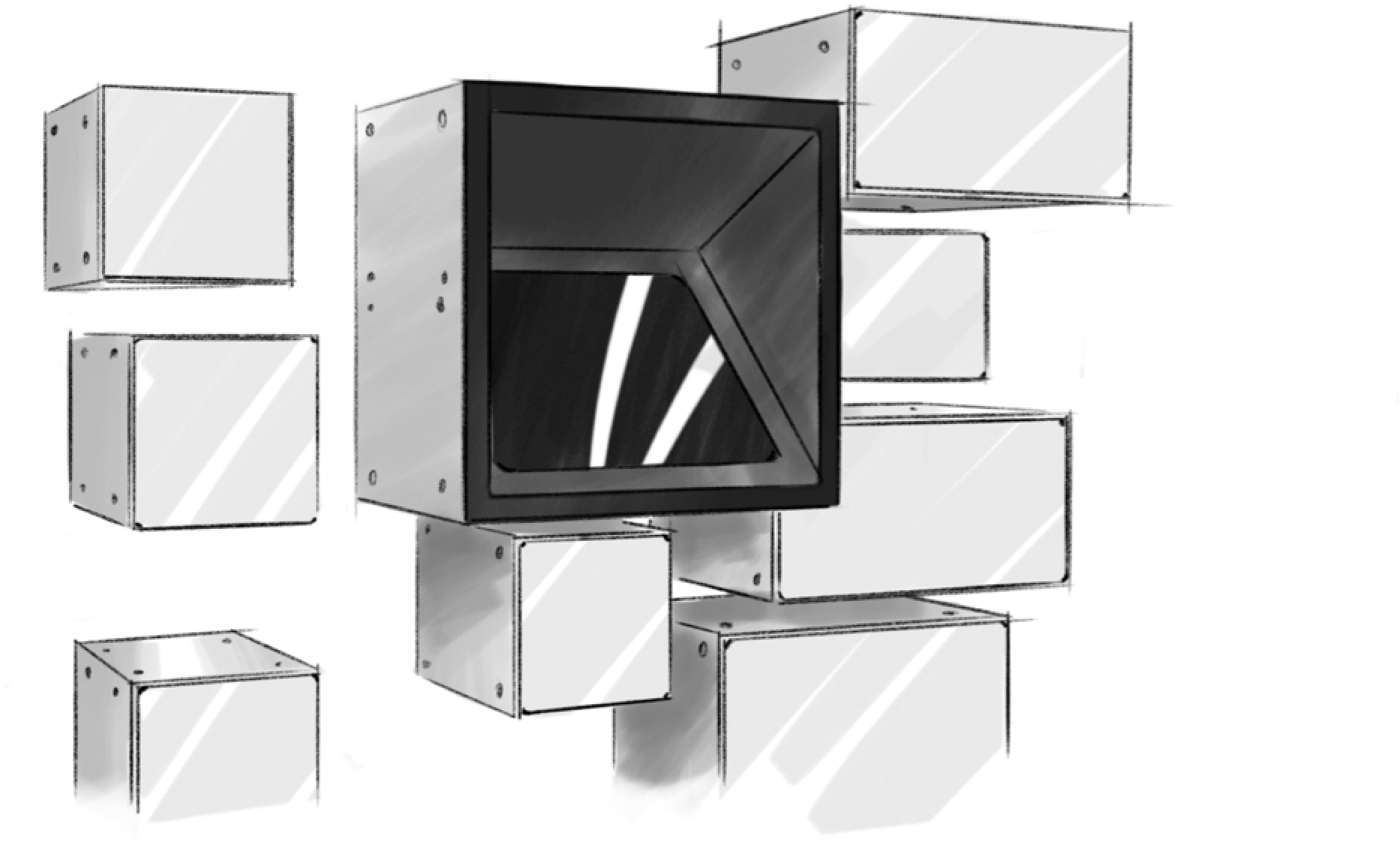
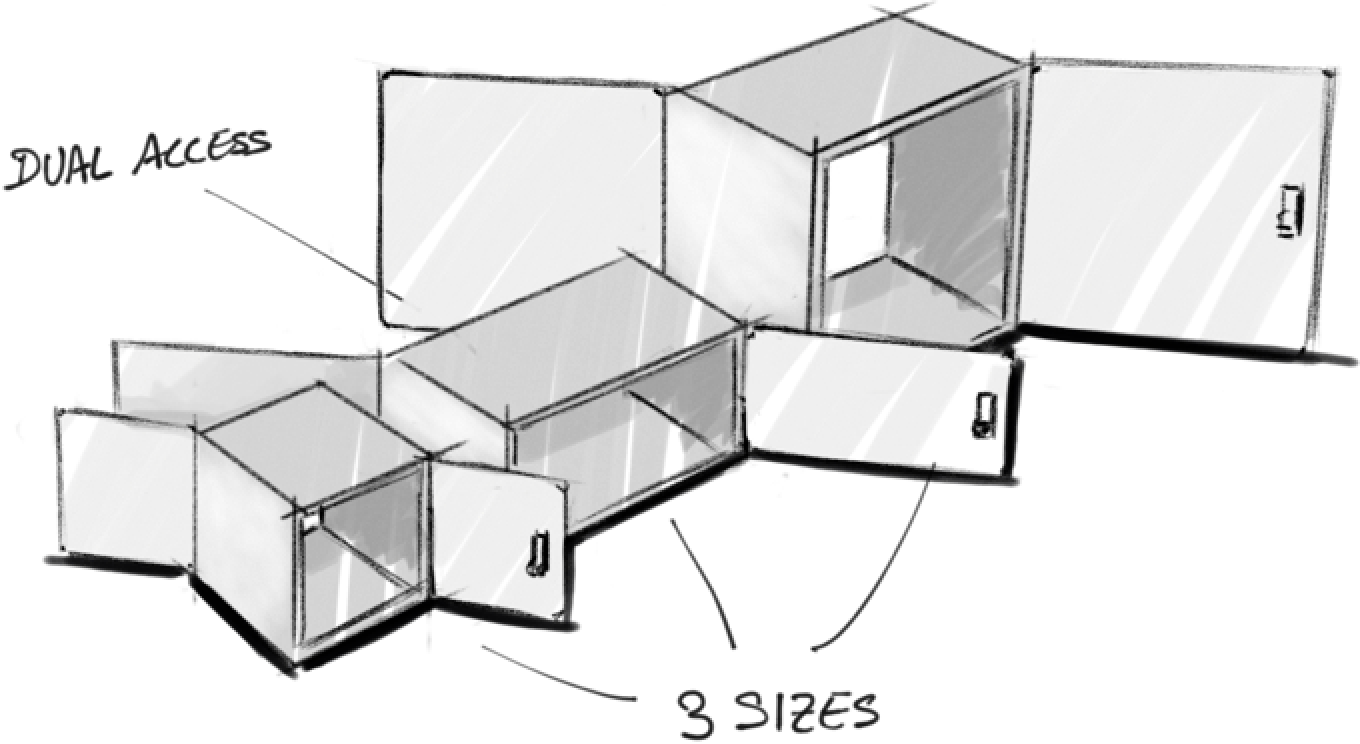
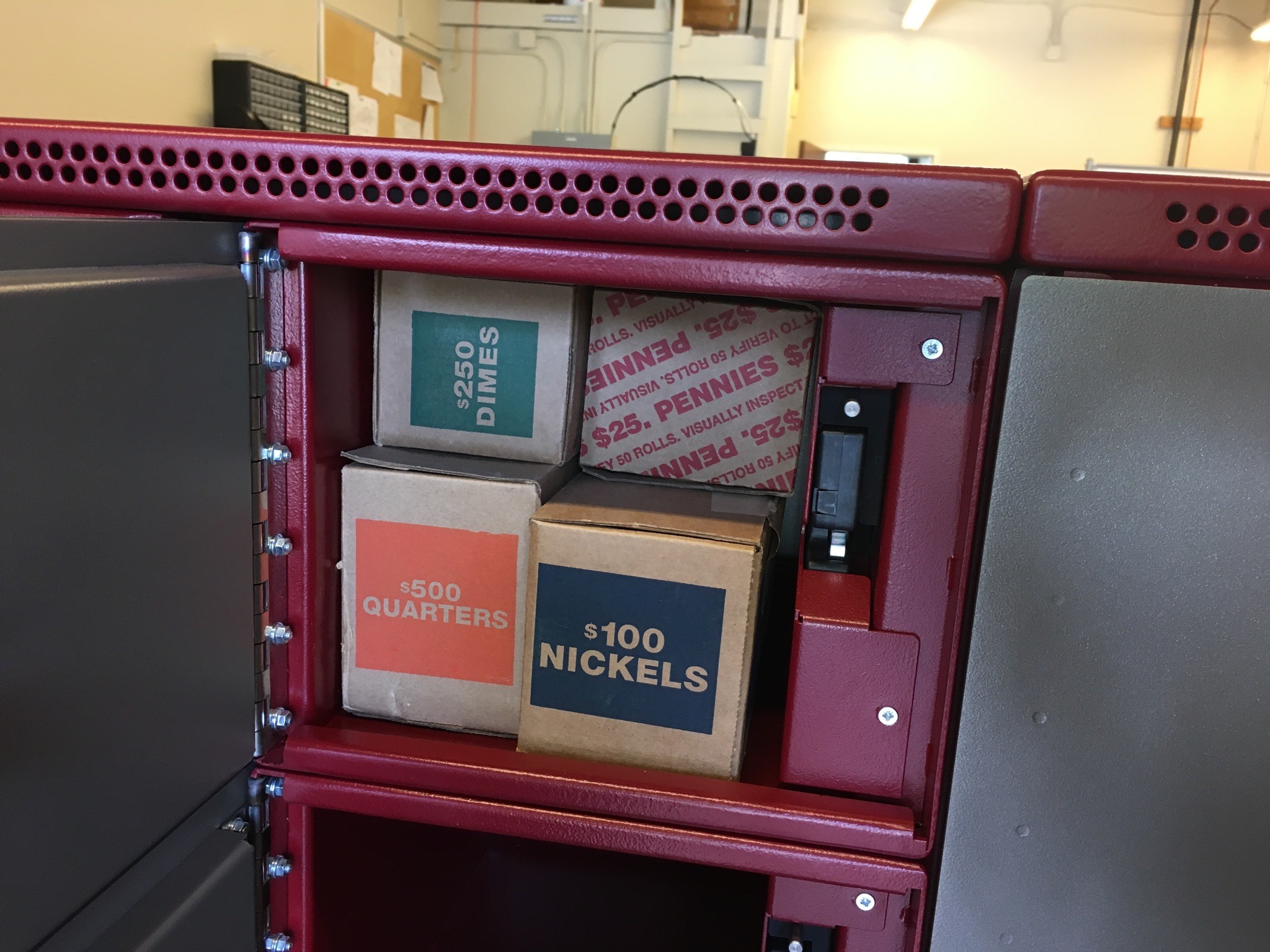
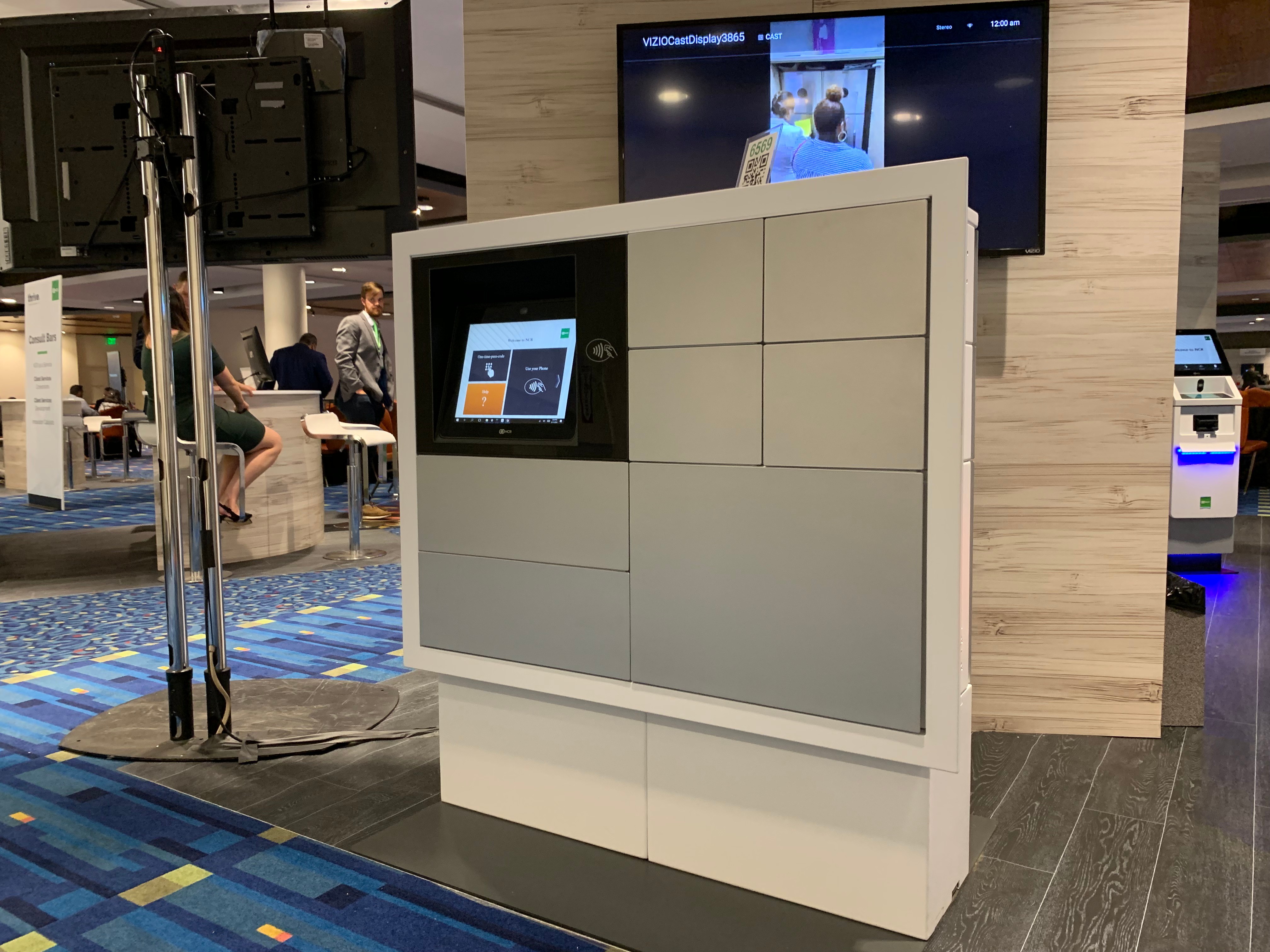
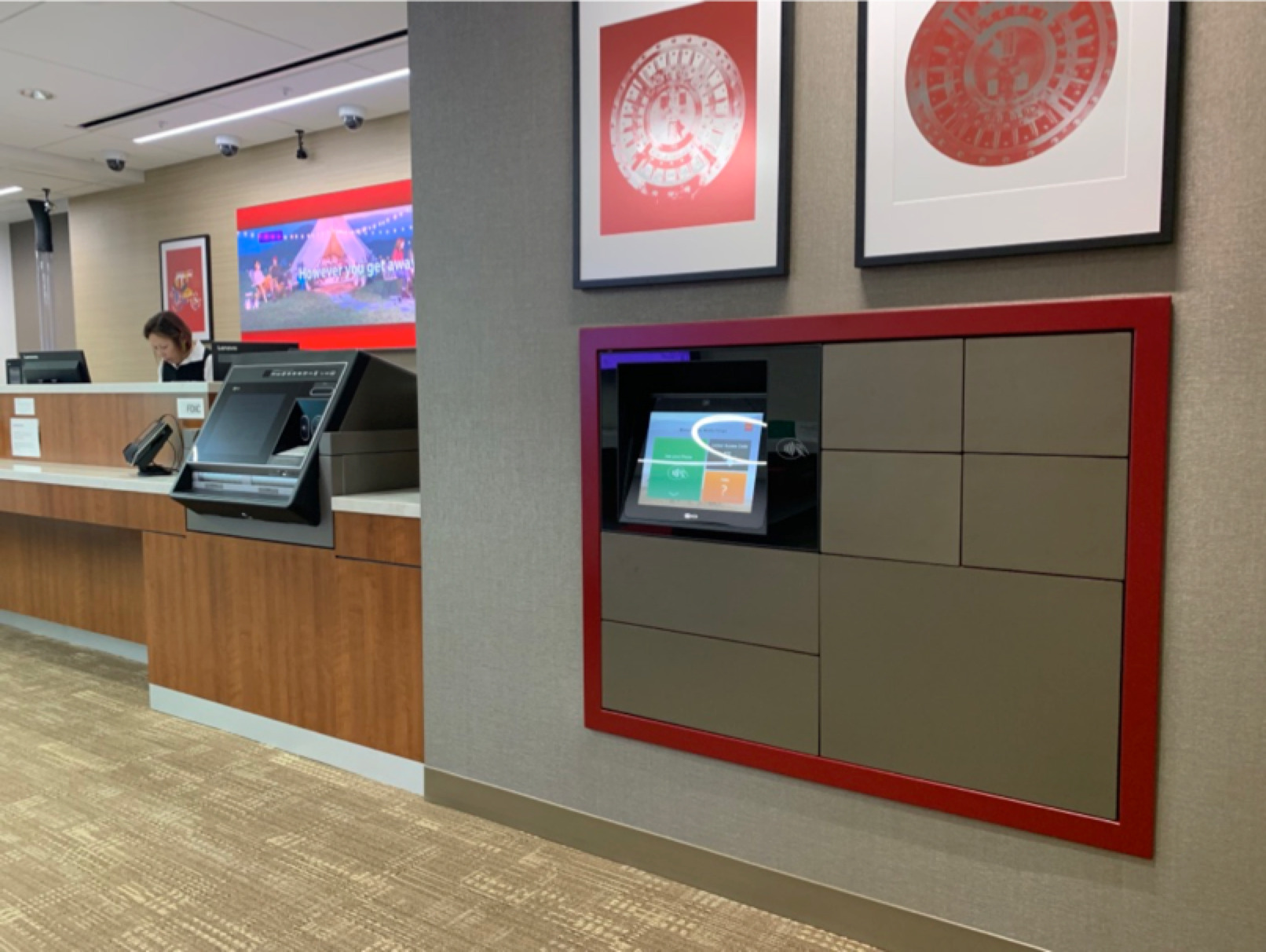
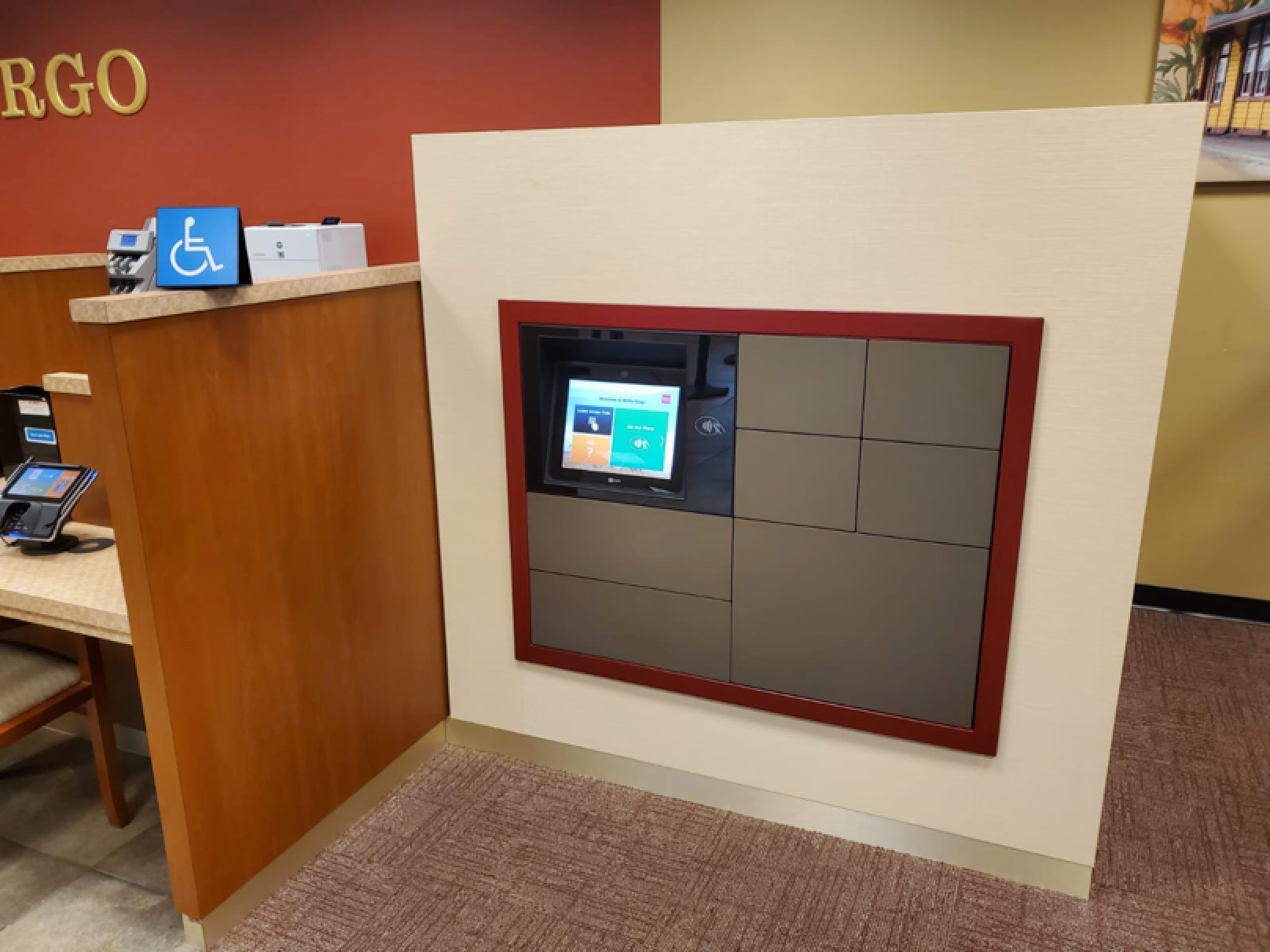
One size doesn’t fit all banks, therefore our smart locker is highly modular.
For tellers it is important that they can still operate in a secure space.
This is achieved by a through-the-wall installation and doors on both sides.
Iterations
Stake Holder Feedback
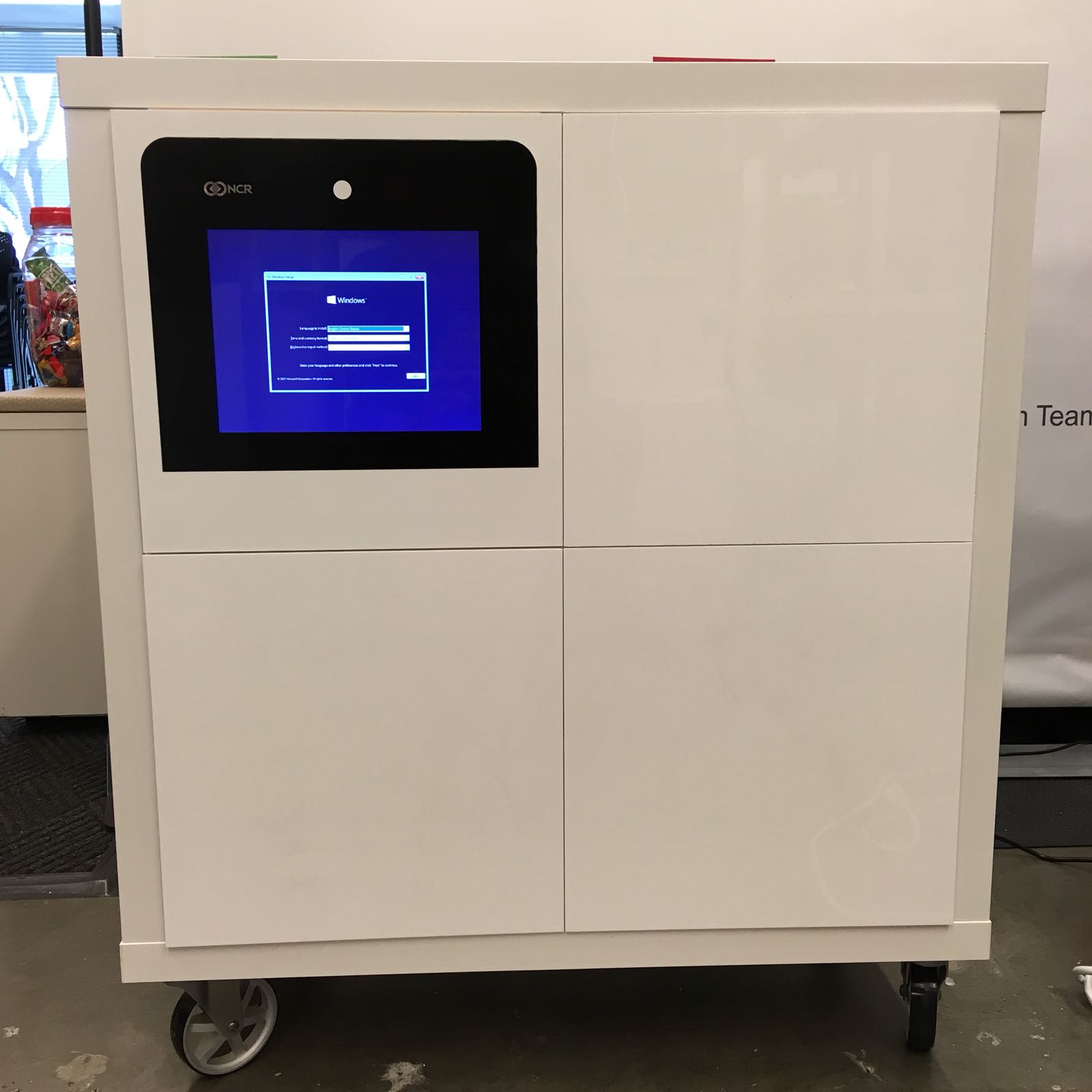
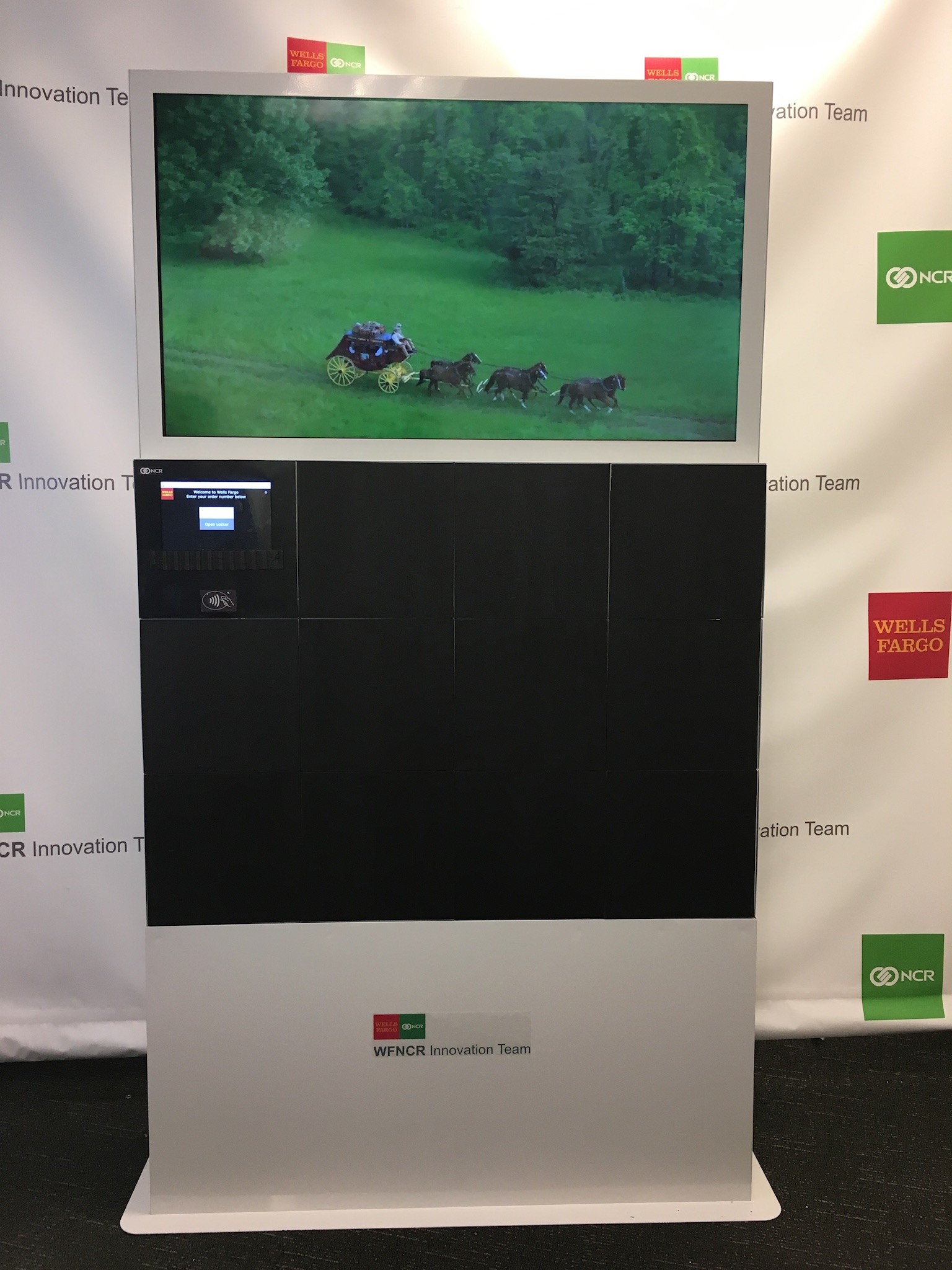
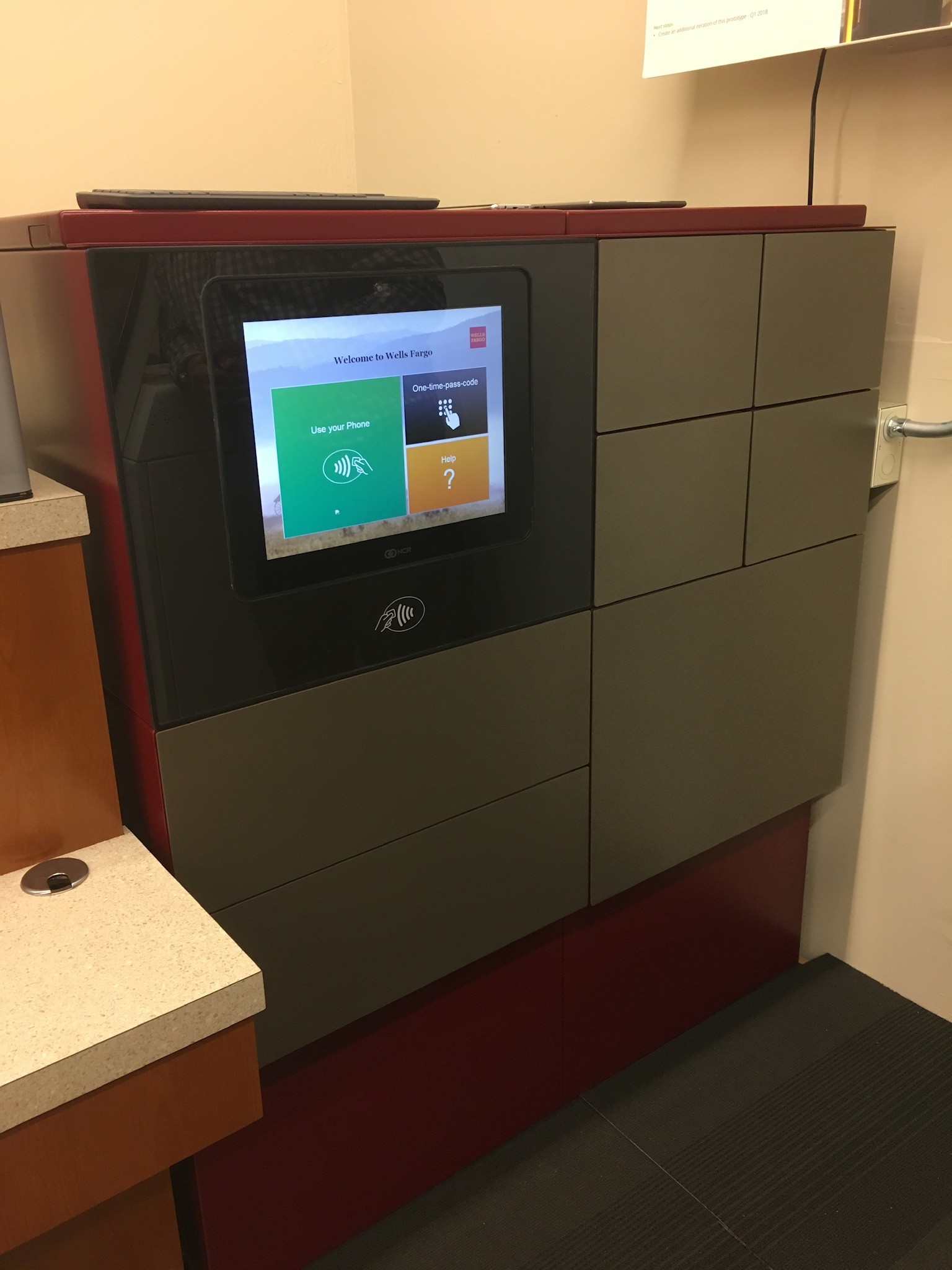
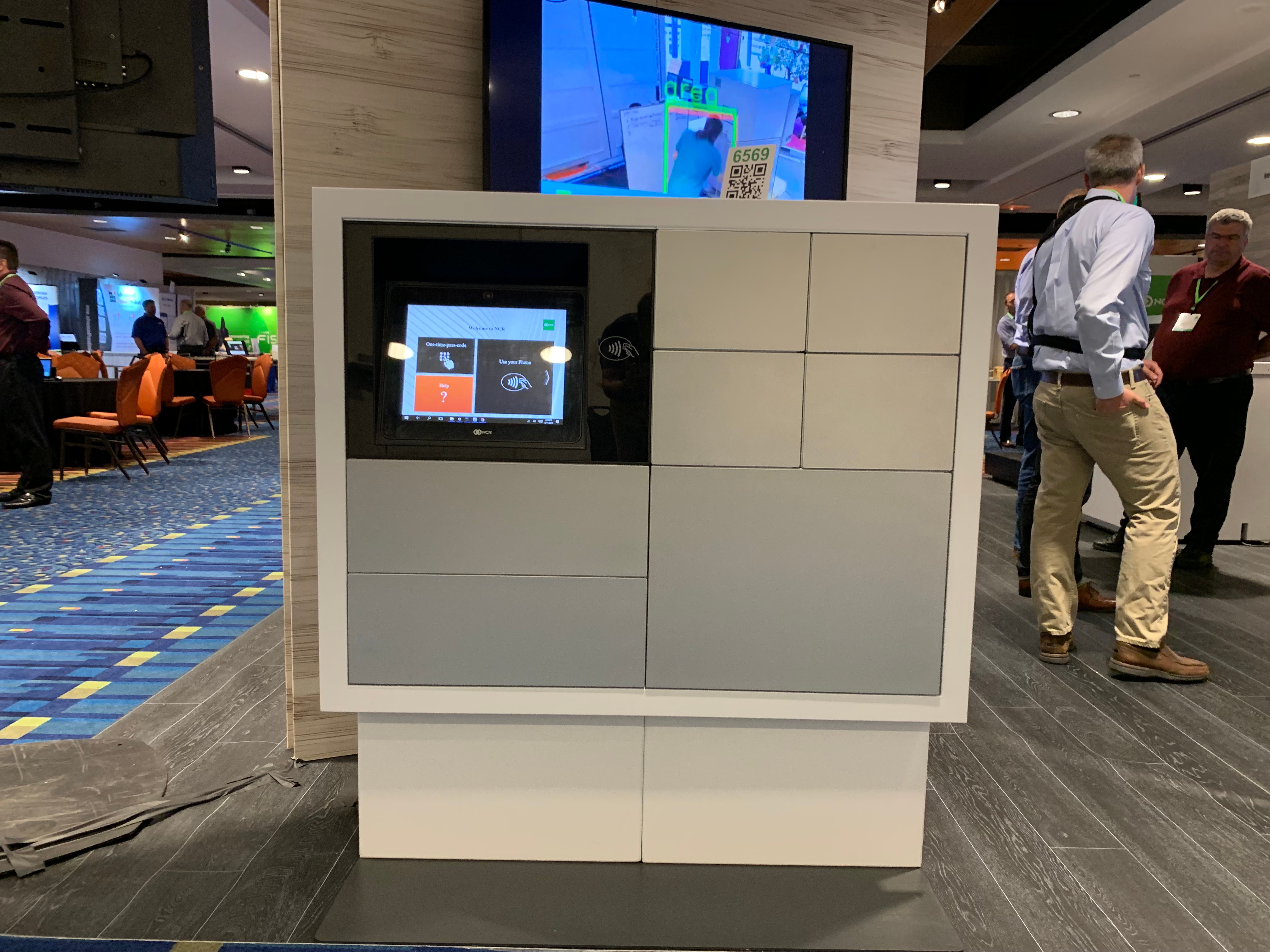
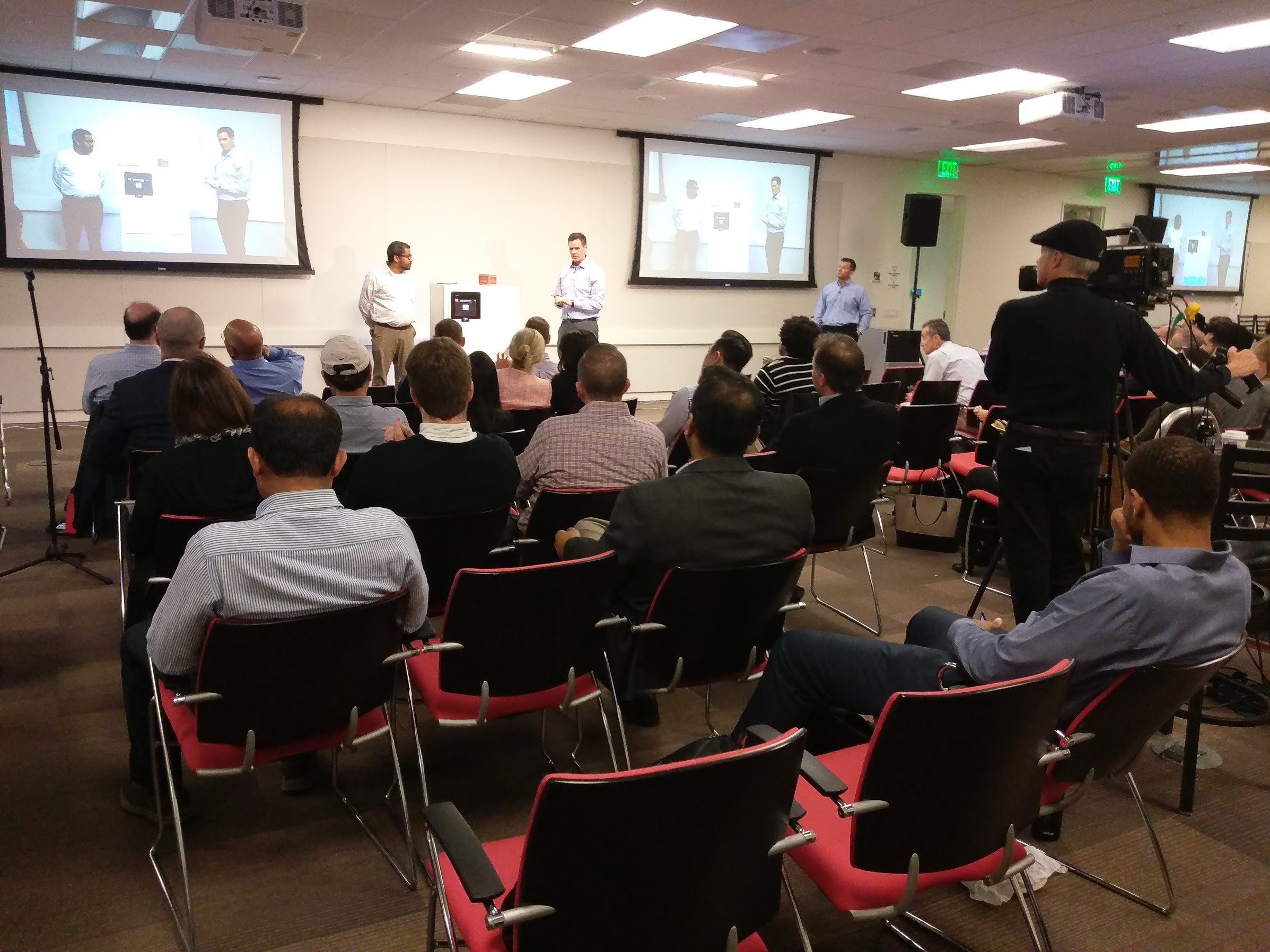
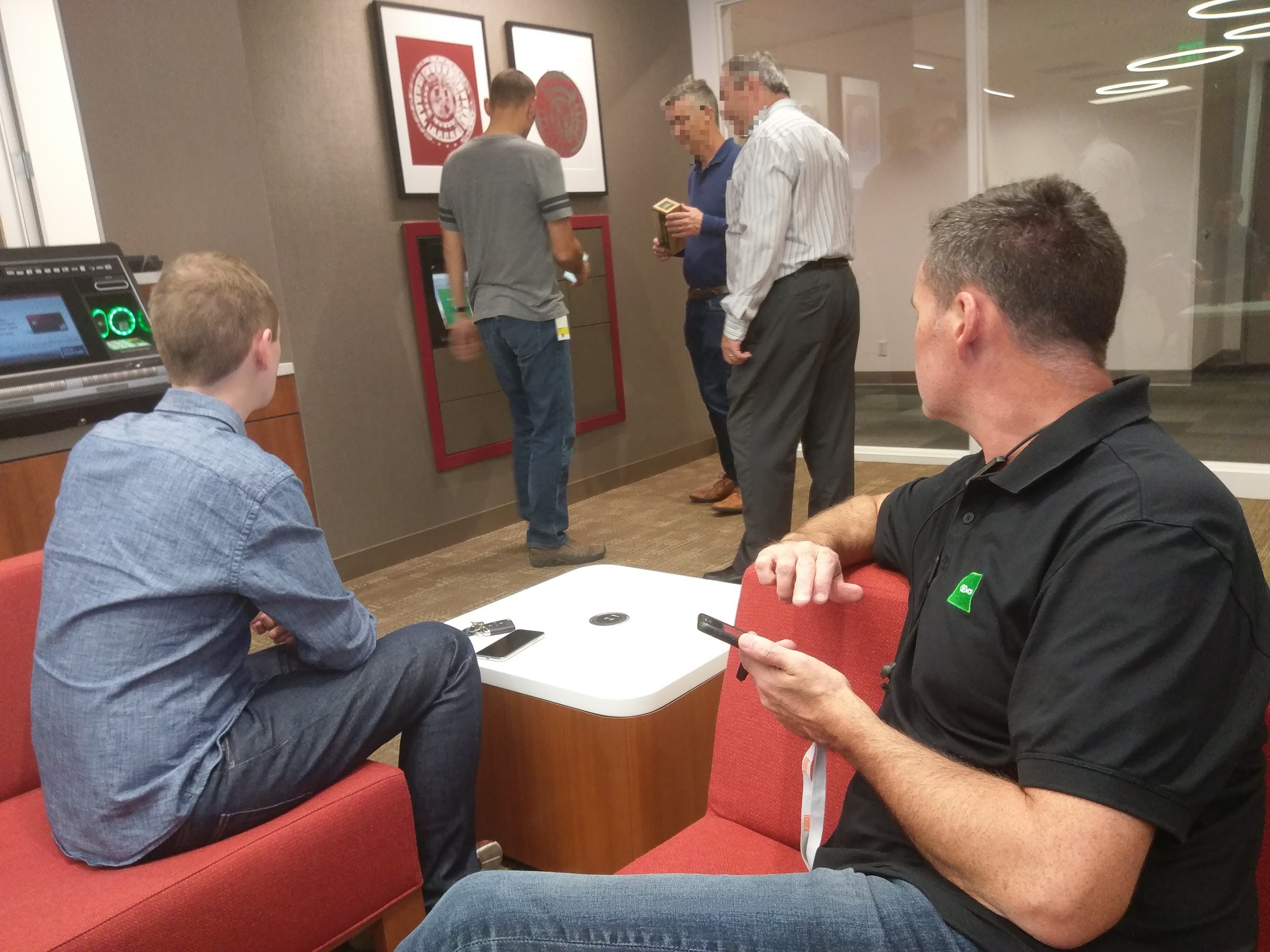
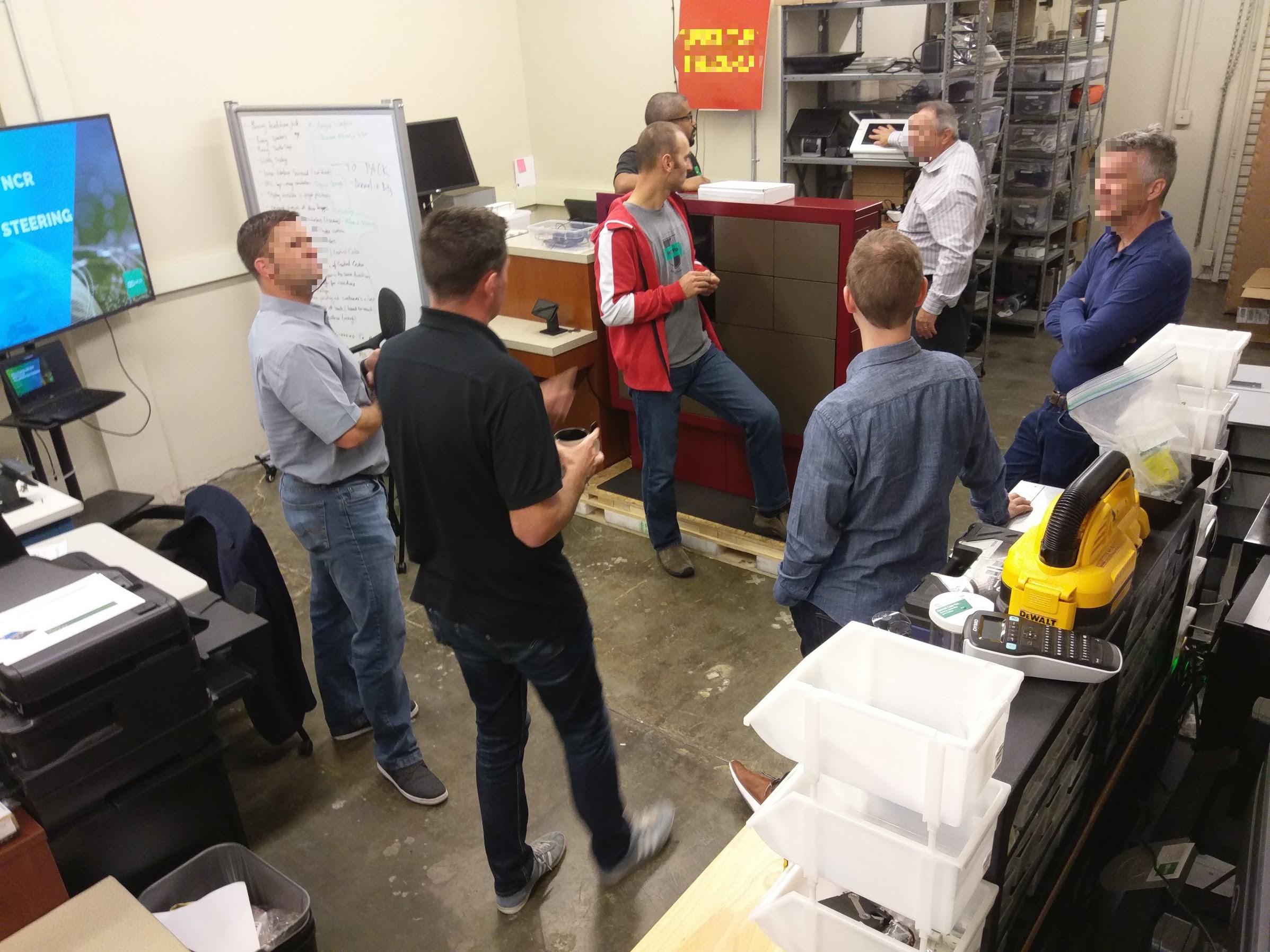
Over the course of the the development we through many iterations of the lockers.
We gathered feedback from users, customers, engineers and developers.
Deployment
The Smart Locker is installed in selected Wells Fargo branches today with more banks preparing for branch pilots.

Tim Gerlach
+1 (843) 617 0288

About me
Smart locker
Smart Locker
My Role
Company
Team
Status
When
Industrial & UI/ UX Design
NCR
Tomasz Kruczek
Live Proof of Concept
2019
Problem Scenarios
Morning:
Small and medium merchant customers are ordering and picking up change for their store(s).
Evening:
At the end of the day they deposit earnings back to their accounts which can take a long time.
Effect:
Long lines at the teller line.
Research
We visited branches to observe how tellers, bankers and customers work and behave during a transaction and branch visit to identify improvement opportunities. One amongst many was the length of time it took tellers to complete just one merchant change order. This was the motivation behind this project.
Motivations
“I cannot wait this long.”
“I spend too long for merchants customers during peak times.”
“Tellers can’t carry cash on the branch floor during business hours.”
“I want to service multiple customers while I’m at it.”
“I want to be able to track my runners.”
“I need a better way to view all of the pre-staged transactions.”
“I don’t have a mobile device to give to my runner.”
“I don’t want to share my account information with my runner.”
The concept
It is important that merchants have the ability to “pre-stage” transactions. Meaning that they can order and schedule a change order ahead of time to “skip” the line and simply collect their order when it suits them.
Merchant orders change
Teller fulfills order
Merchant picks up order
Quick Flow Sketch
After defining basic functions I sketched out ideas for the flow.
UI Library
Wells Fargo’s design guidelines have been applied in a way that it could be re-used as a generic UI for other demo purposes.
UX
Consumer app
The consumer is able to pre-stage a transaction on their mobile phone, designate a runner who picks up or drops of the order and use their device to authenticate at the locker.
Consumer UI - Locker
The on-device UI is kept to a minimum with the expectation and push for the customer to use their own mobile device for the rest of the transaction.
Staff UI - Locker
This mainly runs on desktop or table computers
Experience the flow
This video is walking through the end-to-end journey for the customer and banker.
Hardware
Hardware Ideation
One size doesn’t fit all banks, therefore our smart locker is highly modular.
For tellers it is important that they can still operate in a secure space.
This is achieved by a through-the-wall installation and doors on both sides.
Iterations
Stake Holder Feedback
Over the course of the the development we through many iterations of the lockers.
We gathered feedback from users, customers, engineers and developers.
Deployment
The Smart Locker is installed in selected Wells Fargo branches today with more banks preparing for branch pilots.

Tim Gerlach
+1 (843) 617 0288

About me
Smart locker
Smart Locker
My Role
Company
Team
Status
When
Industrial & UI/ UX Design
Live Proof of Concept
NCR
Tomasz Kruczek
2019
Problem Scenarios
Morning:
Small and medium merchant customers are ordering and picking up change for their store(s).
Evening:
At the end of the day they deposit earnings back to their accounts which can take a long time.
Effect:
Long lines at the teller line.
Research
We visited branches to observe how tellers, bankers and customers work and behave during a transaction and branch visit to identify improvement opportunities. One amongst many was the length of time it took tellers to complete just one merchant change order. This was the motivation behind this project.
Motivations
“I cannot wait this long.”
“I spend too long for merchants customers during peak times.”
“Tellers can’t carry cash on the branch floor during business hours.”
“I want to service multiple customers while I’m at it.”
“I want to be able to track my runners.”
“I need a better way to view all of the pre-staged transactions.”
“I don’t have a mobile device to give to my runner.”
“I don’t want to share my account information with my runner.”
The concept
It is important that merchants have the ability to “pre-stage” transactions. Meaning that they can order and schedule a change order ahead of time to “skip” the line and simply collect their order when it suits them.
Merchant orders change
Teller fulfills order
Merchant picks up order
Quick Flow Sketch
After defining basic functions I sketched out ideas for the flow.
UI Library
Wells Fargo’s design guidelines have been applied in a way that it could be re-used as a generic UI for other demo purposes.
UX
Consumer app
The consumer is able to pre-stage a transaction on their mobile phone, designate a runner who picks up or drops of the order and use their device to authenticate at the locker.
Consumer UI - Locker
The on-device UI is kept to a minimum with the expectation and push for the customer to use their own mobile device for the rest of the transaction.
Staff UI - Locker
This mainly runs on desktop or table computers
Experience the flow
This video is walking through the end-to-end journey for the customer and banker.
Hardware
Hardware Ideation
One size doesn’t fit all banks, therefore our smart locker is highly modular.
For tellers it is important that they can still operate in a secure space.
This is achieved by a through-the-wall installation and doors on both sides.
Iterations
Stake Holder Feedback
Over the course of the the development we through many iterations of the lockers.
We gathered feedback from users, customers, engineers and developers.
Deployment
The Smart Locker is installed in selected Wells Fargo branches today with more banks preparing for branch pilots.

Tim Gerlach
+1 (843) 617 0288

About me
Smart locker
Smart Locker
My Role
Company
Team
Status
When
Industrial & UI/ UX Design
NCR
Tomasz Kruczek
Live Proof of Concept
2019
Problem Scenarios
Morning:
Small and medium merchant customers are ordering and picking up change for their store(s).
Evening:
At the end of the day they deposit earnings back to their accounts which can take a long time.
Effect:
Long lines at the teller line.
Research
We visited branches to observe how tellers, bankers and customers work and behave during a transaction and branch visit to identify improvement opportunities. One amongst many was the length of time it took tellers to complete just one merchant change order. This was the motivation behind this project.
Motivations
“I cannot wait this long.”
“I spend too long for merchants customers during peak times.”
“Tellers can’t carry cash on the branch floor during business hours.”
“I want to service multiple customers while I’m at it.”
“I want to be able to track my runners.”
“I need a better way to view all of the pre-staged transactions.”
“I don’t have a mobile device to give to my runner.”
“I don’t want to share my account information with my runner.”
The concept
It is important that merchants have the ability to “pre-stage” transactions. Meaning that they can order and schedule a change order ahead of time to “skip” the line and simply collect their order when it suits them.
Merchant orders change
Teller fulfills order
Merchant picks up order
Quick Flow Sketch
After defining basic functions I sketched out ideas for the flow.
UI Library
Wells Fargo’s design guidelines have been applied in a way that it could be re-used as a generic UI for other demo purposes.
UX
Consumer app
The consumer is able to pre-stage a transaction on their mobile phone, designate a runner who picks up or drops of the order and use their device to authenticate at the locker.
Consumer UI - Locker
The on-device UI is kept to a minimum with the expectation and push for the customer to use their own mobile device for the rest of the transaction.
Staff UI - Locker
This mainly runs on desktop or table computers
Experience the flow
This video is walking through the end-to-end journey for the customer and banker.
Hardware
Hardware Ideation
One size doesn’t fit all banks, therefore our smart locker is highly modular.
For tellers it is important that they can still operate in a secure space.
This is achieved by a through-the-wall installation and doors on both sides.
Iterations
Stake Holder Feedback
Over the course of the the development we through many iterations of the lockers.
We gathered feedback from users, customers, engineers and developers.
Deployment
The Smart Locker is installed in selected Wells Fargo branches today with more banks preparing for branch pilots.
Tim Gerlach
+1 (843) 617 0288